
Managing Behaviors
June 8, 2026

Pre-Behavior

Most behaviors have something that happensBEFORE the actual "behavior." For example, your child may start to cry BEFORE they throw something.


What does this mean for you? You can act in response to the smaller behavior to correct the course before the larger behavior takes place. For example, prompt for communication as to what they need and listen to it. Correcting the problem immediately instead of waiting till the situation escalates can help teach your child how to recognize their own stress signs and regulate themselves as well.


Praise Ratio

In addition to catching behaviors at the start, there is yet another preventative measure you can take. If the behaviors likely stem from wanting attention, give them attention BEFORE the behavior. Oftentimes as parents, you can get in the habit of not giving much attention when the kiddo is acting properly and saving your energy and reactions for when the child acts out. However, it's been proven that the ratio for praise to demands should be 4:1, meaning 4x the amount of praise than demands should be given. By giving praise abundantly, your child may not feel the need to rely on the negative attention received from acting out.

By Laugh And Learn Therapy September 4, 2026
Social skills training in Waterford, MI helps children understand social interactions, engage with peers, and develop communication skills through evidence-based group programs.
By Laugh And Learn Therapy September 4, 2026
School readiness programs in Davison, MI prepare children for kindergarten by building foundational skills needed for academic success and classroom participation through ABA therapy.
By Laugh And Learn Therapy September 4, 2026
Natural environment training in Howell, MI helps children generalize skills learned in structured sessions to everyday situations and real-world contexts through ABA therapy.
August 4, 2026
Should your child do ABA therapy at home or at a clinic in Flint? Learn how treatment planning — not guesswork — guides this decision for your family.
July 28, 2026
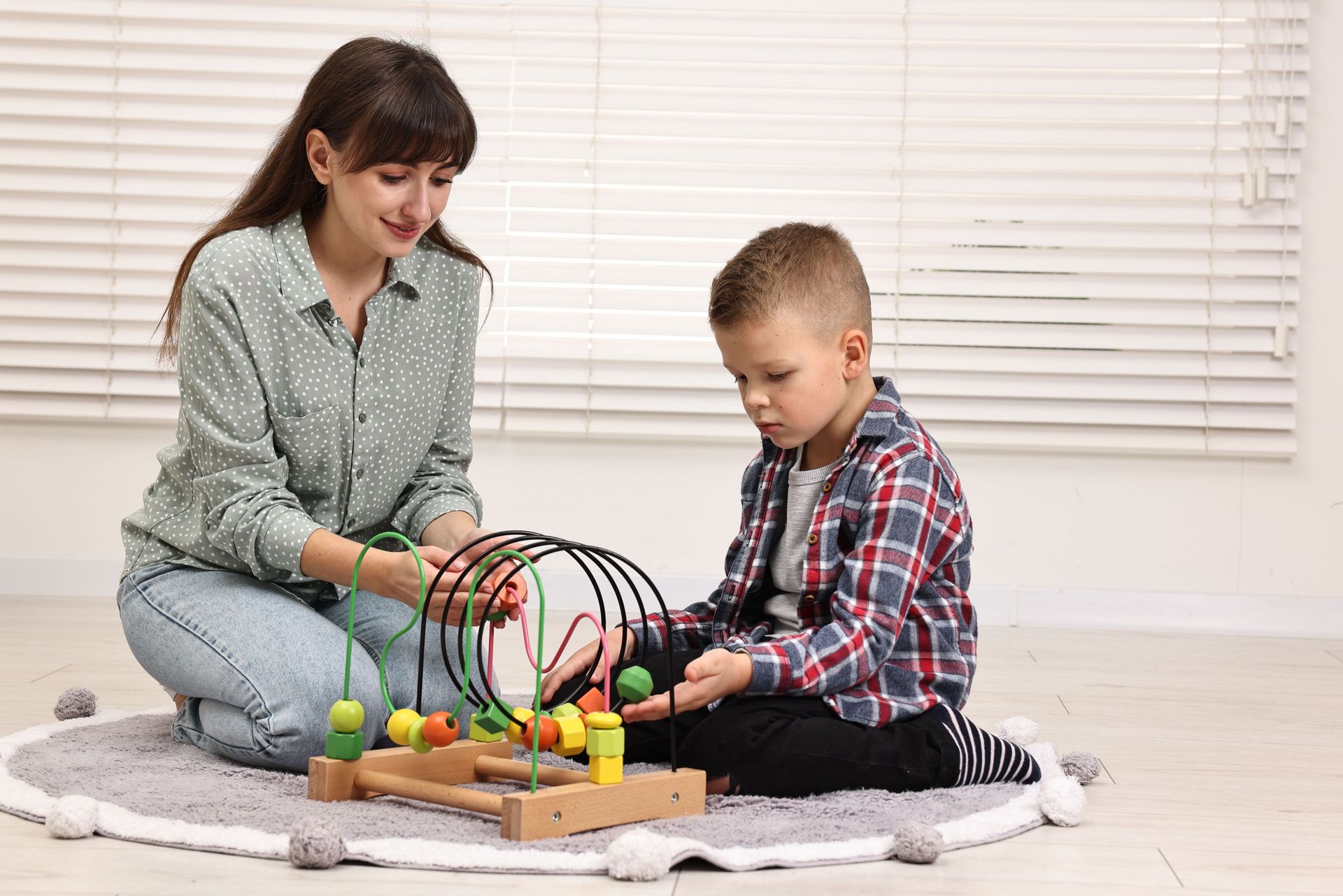
What is it? NET is one of the main ways that children practice and learn social, emotional and behavioral skills in ABA Therapy. As the name suggests, this style of teaching leans into the natural environment, utilizing play sessions to teach a child how to safely interact, communicate, and regulate. How does this work? How it Works During an NET session, the client comes into contact with many different toys, people, choices and interactions. All of these can be utilized in a fun and engaging way to naturally expand and test a child’s abilities. NET also allows the client opportunity to choose what to play with, building confidence and rapport with those around them. This allows the skills taught during ABA to become more relevant to the child’s life and easier to generalize into their daily routine. NET can also encourage a child to WANT to learn more, being that what they are learning highly relates to activities and people that they prefer to engage with. When it Shines NET is often paired with structured learning as well. This is sometimes referred to as “DTT” or “Table Time.” During these sessions, a child learns how to perform tasks such as labeling items/people, answering questions, following simple directions or imitating gross motor movements in a structured environment. These skills are then naturally brought up during NET. For example, let’s say a child learns the word “apple” during Table Time. Then, in a play session using the play kitchen, the child interacts with a toy apple. The therapist may make use of this, bringing the apple into play. By utilizing these two forms together, the child gets a vary well rounded session.
July 28, 2026
What is Required
July 2, 2026
When you begin working with an ABA provider, you may be wondering what all goes into coming up with the Treatment Plan/Behavior Intervention Plan and what role you as a parent play into it.
July 2, 2026
You and your partner are in a fight and as your stress levels rise, they say the one thing that is sure to send you over the edge—calm down.
June 8, 2026
The holidays are a very active and busy time of year. It can be challenging handling all of the socializing that comes with it, so be sure to give your child some well deserved commendation.
June 8, 2026
While winter weather can be beautiful and even thrilling, we all can agree that it poses some challenges, even for those of us that are neurotypical.