What is Required
If you’re considering enrolling your autistic child in school, it can be a good idea to consider the demands that may be expected to see if your child is ready for them.
- Being in a group of other children
- Following instructions
- Communicating safely
- Conducting themselves safely towards others
- Transitioning safely
If your child is still struggling with many of these things, continuing ABA full time may be the right move. As things progress, many IEPs and schools allow for a child to split their time between school and ABA so that the child gets experience with school while still receiving the one-on-one support they need.
How to Prepare
School Readiness Program. If your child is enrolled in ABA and has access to a school readiness program, that can be a great way for your child to learn the above skills and many others that are necessary to thrive in a group environment.
Practice social interactions. Acting out situations that may arise in the classroom can help your child to be confident and prepared. Role playing things like lining up, responding to directions, asking other kids to play or requesting a break could be a few key things to focus on.
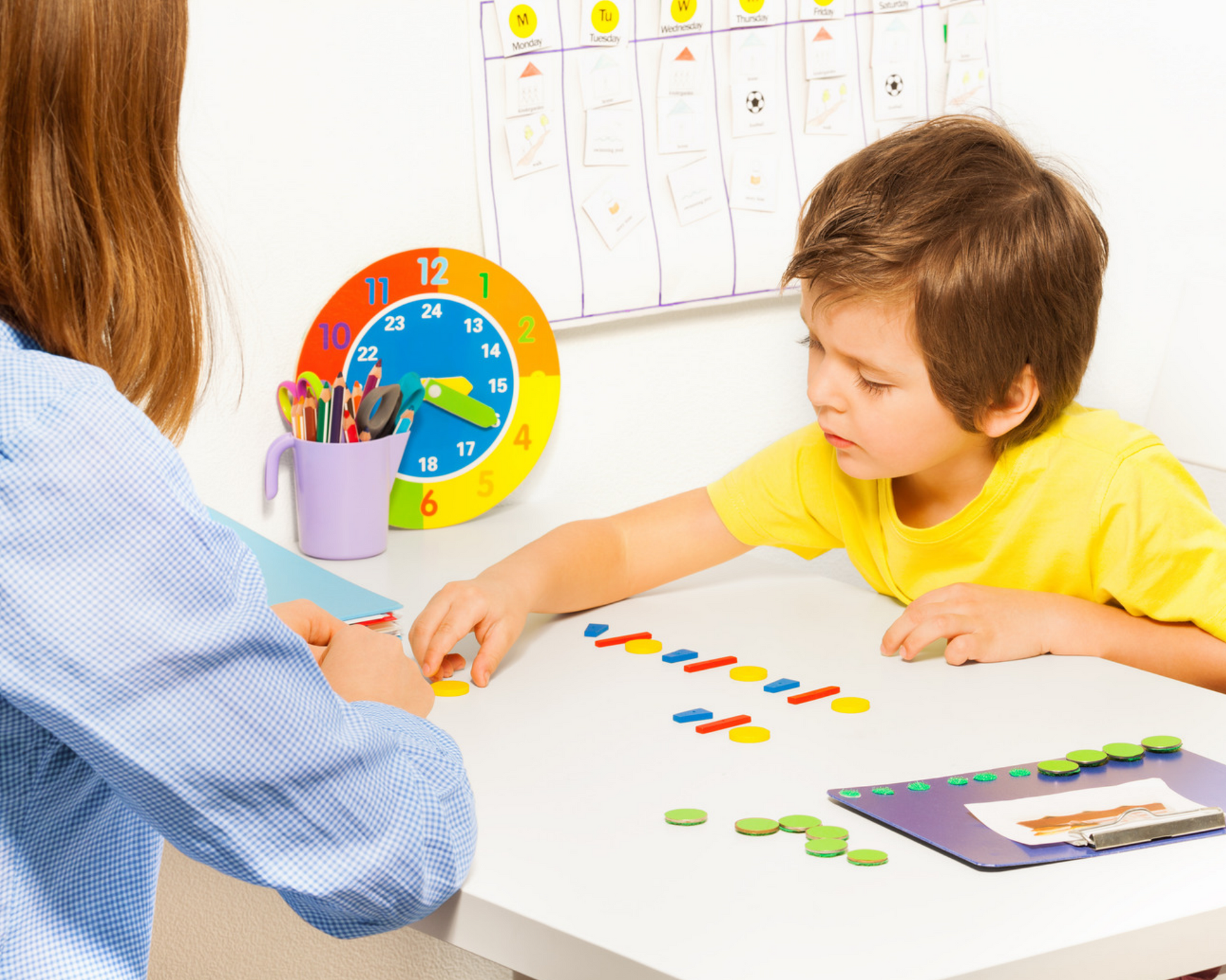
Social stories. Oftentimes, autistic kiddos thrive on visuals. Going through social stories of conversations with peers and the flow of the day can help your kiddo to understand what is expected of them.
Routines. Make sure to get ahead of the change by practicing the school bed time and wake up routine so that your child can get back in the groove of things! Above all, be attuned to your child’s feelings and their needs, making sure to meet them where they are at and supporting them every step of the way.