Social Skills Training Programs in Waterford, MI
Social skills training in Waterford, MI uses evidence-based methods to help children understand social interactions, engage with peers, and develop communication skills in group settings. These programs focus on turn-taking, cooperative play, and daily social communication to build confidence and competence in real-world situations.
How Are Social Skills Taught in Group Settings?
Therapists use structured activities, role-playing, and naturalistic teaching to help children practice social behaviors with peers.
Group sessions are designed to mimic real-world social situations such as sharing toys, waiting for a turn, and initiating conversations. Therapists provide immediate feedback and reinforcement when children demonstrate target skills, and they use prompting and modeling to support children who need additional guidance. Activities are chosen based on the interests and developmental levels of the participants to maintain engagement and motivation.
Children practice skills such as greeting others, asking for help, responding to questions, and resolving conflicts in a safe and supportive environment. Data is collected on each child's progress to inform adjustments to the teaching plan and ensure that skills are being generalized to other settings. Families in Waterford, MI benefit from these structured programs because they provide opportunities for peer interaction that may not be available in one-on-one therapy sessions.
Which Social Skills Are Prioritized in Training Programs?
Programs prioritize turn-taking, cooperative play, conversation skills, emotion recognition, and conflict resolution.
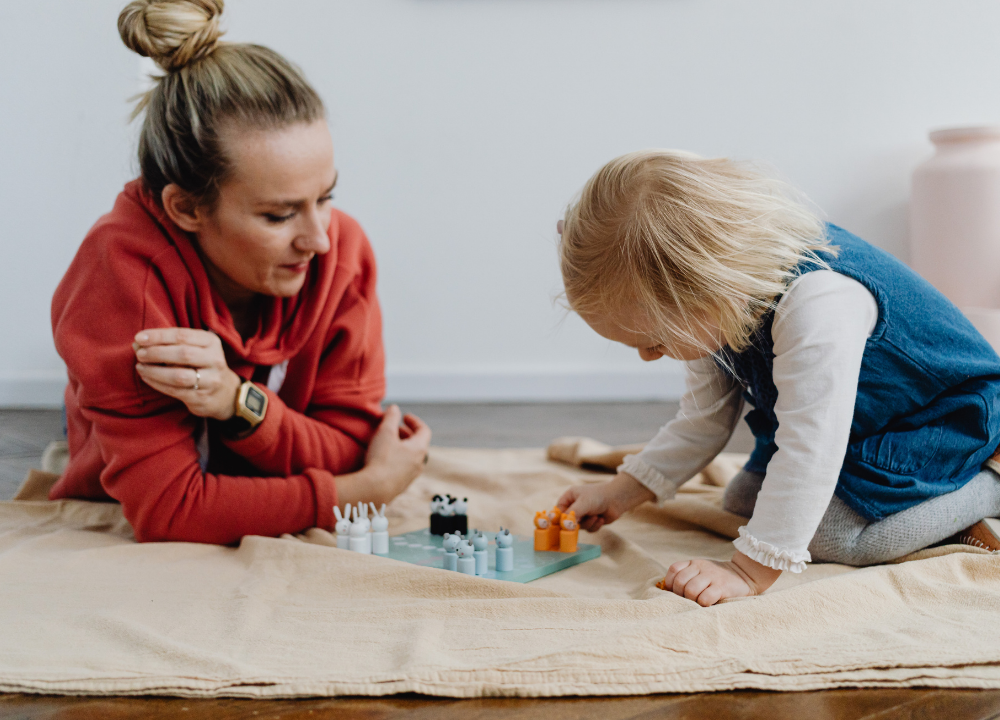
Turn-taking is taught through games and activities that require children to wait for their turn and respect others' participation. Cooperative play activities teach children to work together toward a common goal, share materials, and celebrate group success. Conversation skills include initiating interactions, maintaining eye contact, staying on topic, and responding appropriately to others' comments.
Emotion recognition activities help children identify and label their own feelings and understand the emotions of others through facial expressions, body language, and tone of voice. Conflict resolution strategies teach children to express their needs calmly, listen to others' perspectives, and find mutually acceptable solutions. Families who explore natural environment training in Waterford discover how social skills learned in structured settings are reinforced in everyday contexts to promote generalization.
Can Social Skills Training Prepare Children for School?
Yes, social skills training addresses many of the behaviors and interactions required for success in classroom settings.
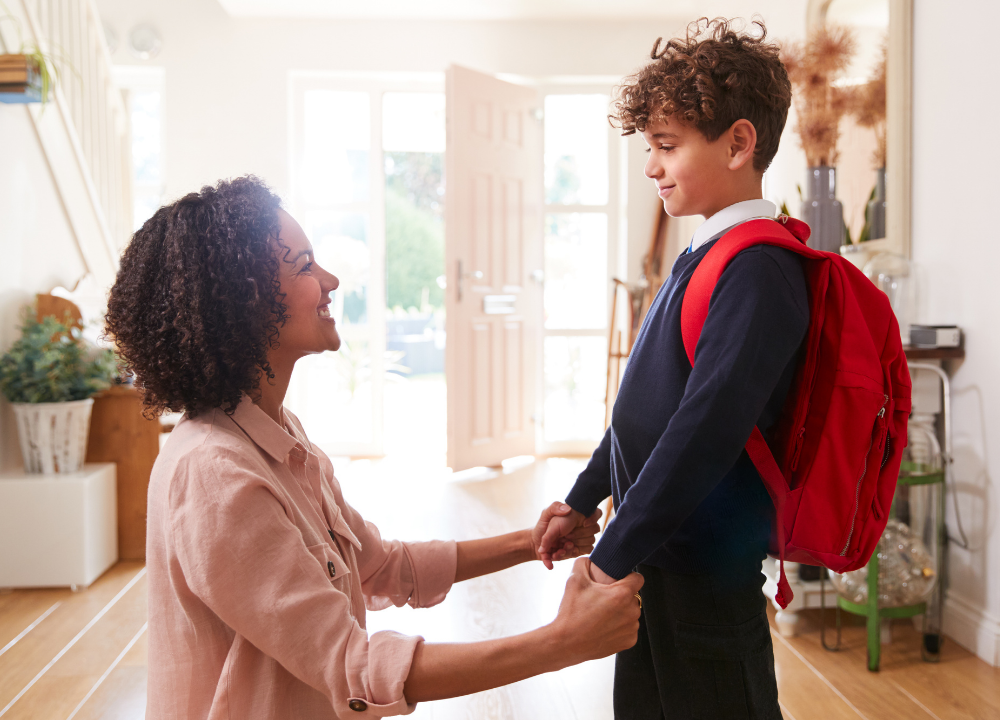
Children learn to follow group instructions, raise their hand to speak, wait quietly while others are talking, and participate in group activities without disrupting peers. These skills are essential for kindergarten readiness and help children transition smoothly into structured academic environments. Teachers report that children who participate in social skills training demonstrate better peer relationships, fewer behavioral challenges, and greater independence in the classroom.
Social skills training also helps children navigate unstructured settings such as recess, lunch, and transitions between activities. Parents receive guidance on how to reinforce these skills at home and in community settings to ensure that progress continues beyond the therapy environment.
Do Waterford Families Have Access to Community-Based Social Opportunities?
Waterford's parks, libraries, and recreation programs offer natural settings where children can practice social skills with community support.
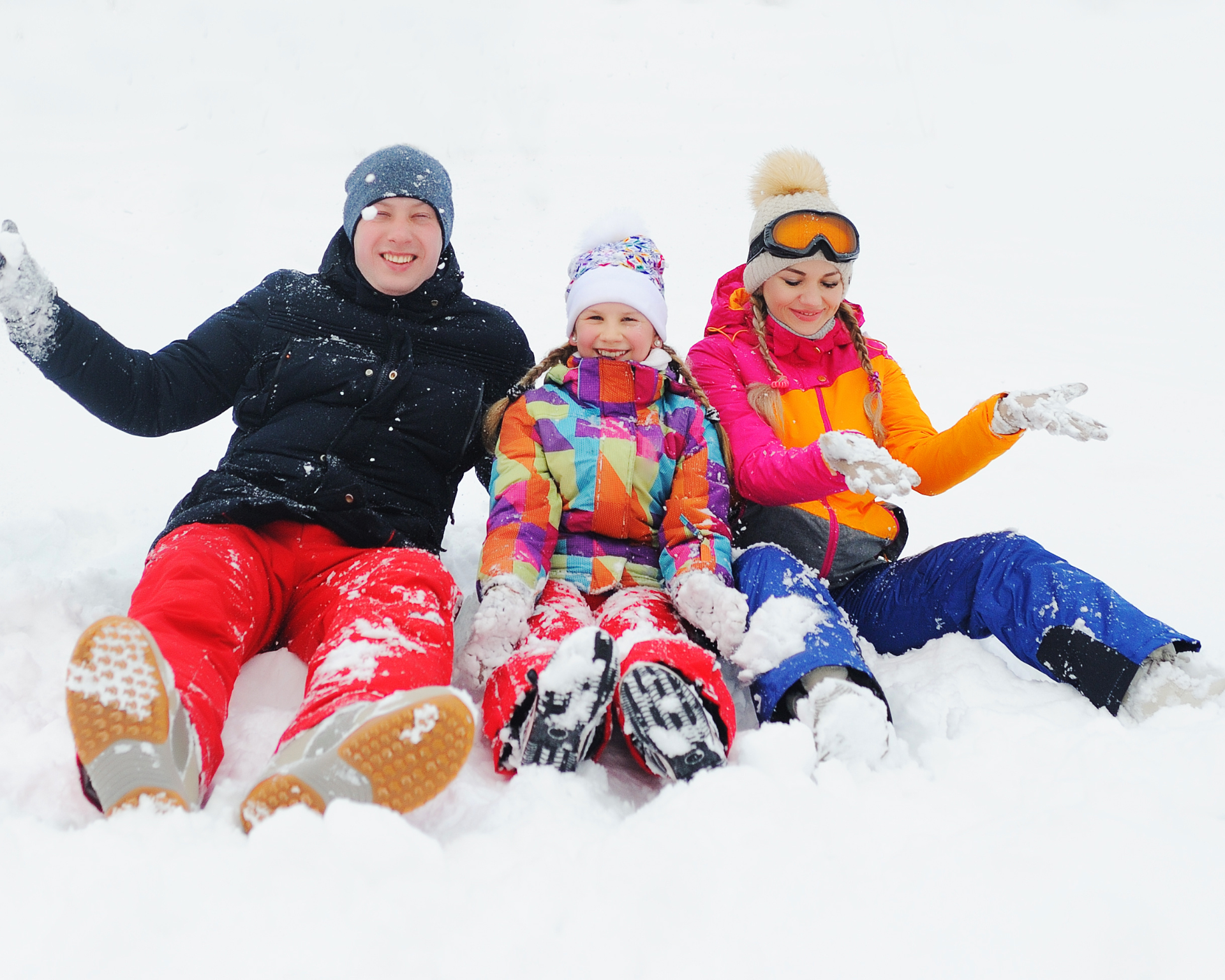
Families can use these community resources to reinforce skills learned in therapy by attending storytime at the library, participating in youth sports leagues, or visiting local playgrounds. Therapists often provide families with strategies for supporting their child's social interactions in these settings, such as using visual cues, offering prompts, and reinforcing positive behaviors. Community-based practice helps children generalize skills to new environments and build confidence in their ability to interact with unfamiliar peers.
Waterford's family-friendly community culture creates opportunities for children to engage in social activities year-round, which supports ongoing skill development and reduces social isolation. Families who find school readiness programs in Waterford often discover that social skills training is a key component of preparing their child for academic and social success.
Social skills training provides children with the tools they need to build meaningful relationships and navigate social situations with confidence. Laugh And Learn Therapy offers evidence-based social skills programs tailored to each child's developmental level and individual needs. Experience the benefits of structured social learning by enrolling your child in a program designed to promote real-world success.