School Readiness Programs in Davison, MI
School readiness programs in Davison, MI provide comprehensive preparation for children approaching kindergarten or transitioning between school settings by focusing on foundational skills needed for academic success and classroom participation. These programs address communication, social interaction, self-regulation, and adaptive behaviors that support a smooth transition into structured learning environments.
How Do School Readiness Programs Prepare Children for Kindergarten?
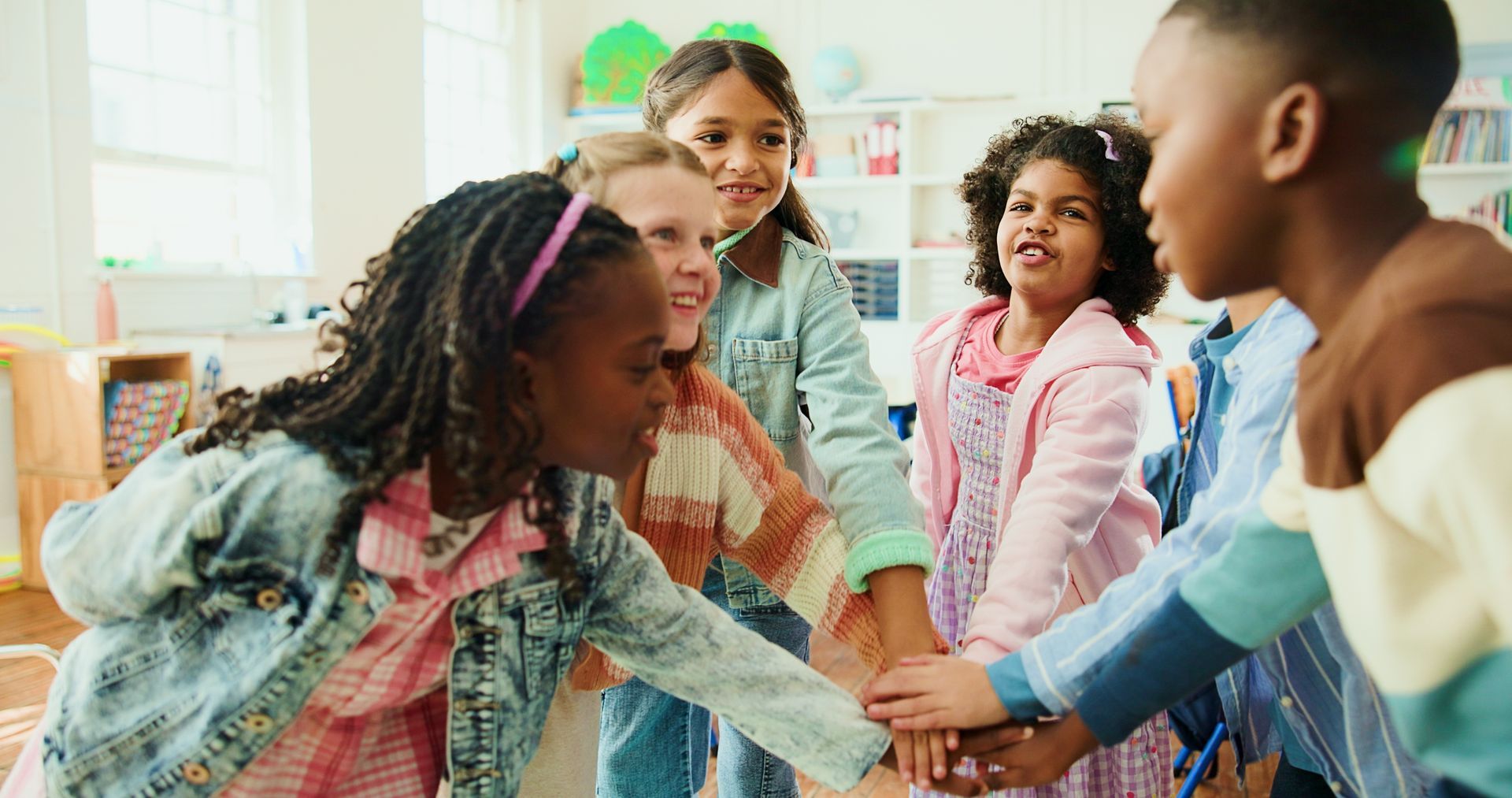
Programs teach children to follow group instructions, sit during circle time, complete independent tasks, and interact appropriately with peers and teachers.
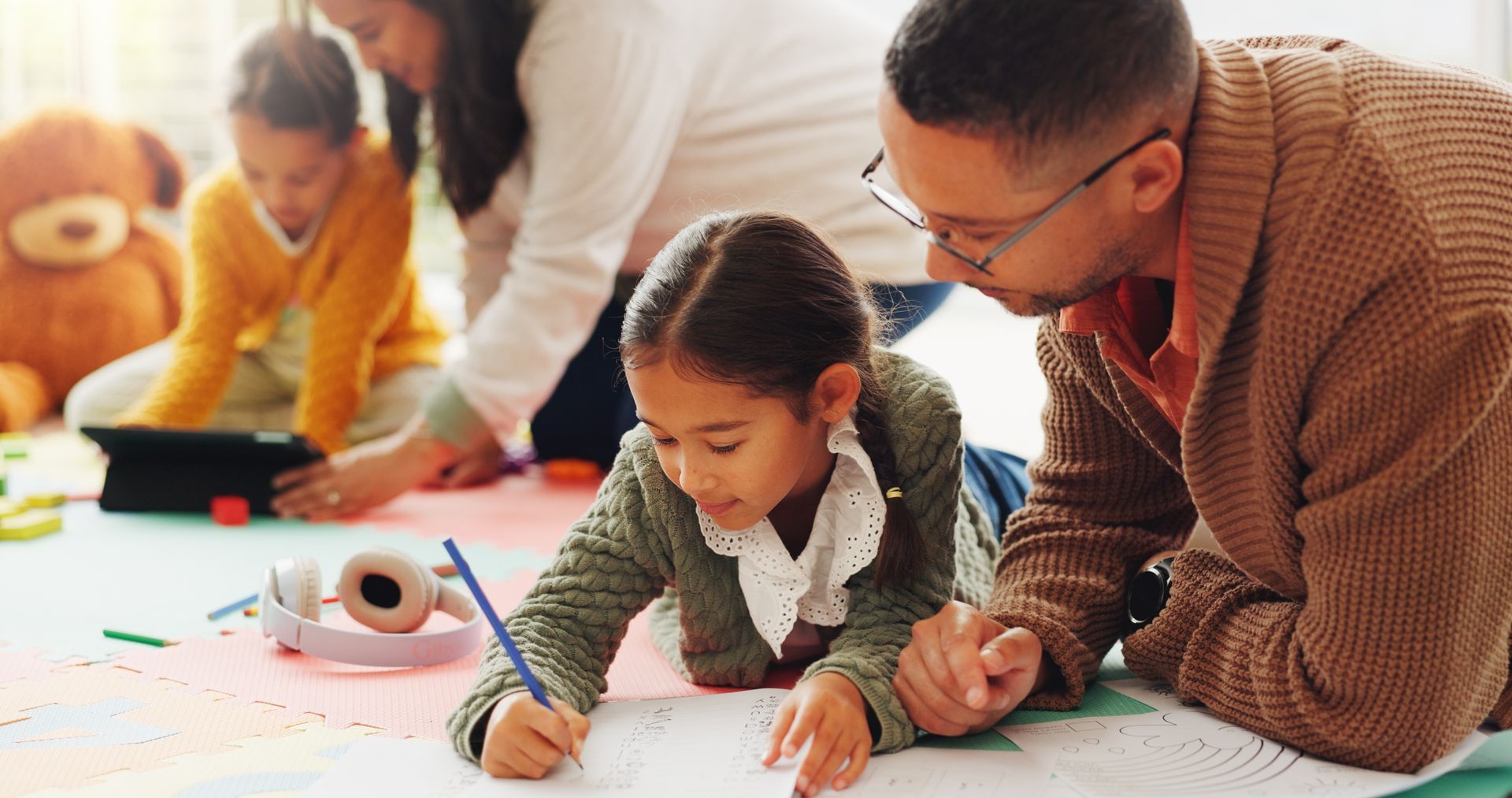
Therapists use structured activities that mimic classroom routines, such as listening to stories, raising hands to speak, and transitioning between activities. Children practice skills such as writing their name, recognizing letters and numbers, and using scissors and glue. Social skills such as greeting classmates, asking for help, and sharing materials are reinforced through group activities and role-playing.
Self-regulation skills such as waiting for a turn, managing frustration, and following a schedule are taught using visual supports, timers, and positive reinforcement. Adaptive behaviors such as using the bathroom independently, opening lunch containers, and putting on a coat are practiced to ensure that children can manage daily routines without constant adult assistance. Families in Davison, MI benefit from these programs because they reduce anxiety and increase confidence for both children and parents as the school year approaches.
Which Skills Are Most Important for Classroom Success?
Following instructions, staying seated, completing tasks independently, and communicating needs are critical for kindergarten readiness.
Children must be able to listen to multi-step directions and complete tasks without constant prompting. Staying seated during group activities and independent work time is essential for classroom participation and safety. Completing tasks independently, such as coloring a picture or putting away materials, demonstrates readiness for academic demands.
Communicating needs, whether through words, gestures, or alternative communication systems, allows children to ask for help, request breaks, and express discomfort or confusion. These skills are prioritized in school readiness programs because they directly impact a child's ability to access instruction and participate in classroom routines. Families who explore treatment planning in Davison learn how school readiness goals are integrated into their child's overall ABA therapy plan.
Can School Readiness Programs Address Behavioral Challenges?
Yes, programs include behavior intervention strategies to reduce challenging behaviors and teach replacement skills.
BCBAs conduct functional behavior assessments to identify the causes of behaviors such as tantrums, aggression, or refusal to participate. Intervention plans are developed to teach children alternative ways to communicate their needs, manage frustration, and cope with transitions. Positive reinforcement is used to increase desired behaviors, and environmental modifications are made to reduce triggers for challenging behaviors.
Parents and teachers receive training on how to implement behavior strategies consistently across home and school settings. This collaborative approach ensures that children receive the support they need to succeed in the classroom while reducing the likelihood of behavioral disruptions that interfere with learning.
Do Davison Schools Collaborate with ABA Providers?
Many Davison schools welcome collaboration with ABA providers to support students' transitions and ensure continuity of care.
BCBAs can attend IEP meetings, share assessment data, and provide recommendations for classroom accommodations and support services. Therapists may conduct observations in the school setting to identify environmental factors that support or hinder the child's success. This collaboration helps school teams understand the child's strengths, challenges, and the strategies that have been effective in therapy.
Families in Davison, MI who find social skills training in Davison often discover that school readiness programs include opportunities for children to practice skills in group settings that closely resemble classroom environments. This preparation reduces the adjustment period and helps children feel more confident and capable on their first day of school.
School readiness programs provide children with the skills and confidence they need to thrive in kindergarten and beyond. Laugh And Learn Therapy offers comprehensive school readiness programs designed to address each child's unique needs and prepare them for academic success. Plan your child's transition by connecting with a BCBA who can design a personalized readiness plan.