Natural Environment Training in Howell, MI
Natural environment training in Howell, MI is an ABA therapy approach conducted in everyday settings to help children generalize skills learned in structured sessions to real-world situations. This method ensures that children can use their new skills independently across different environments, people, and activities.
How Does Natural Environment Training Differ from Structured Sessions?
Natural environment training embeds teaching opportunities into daily routines and activities rather than using a formal, structured format.
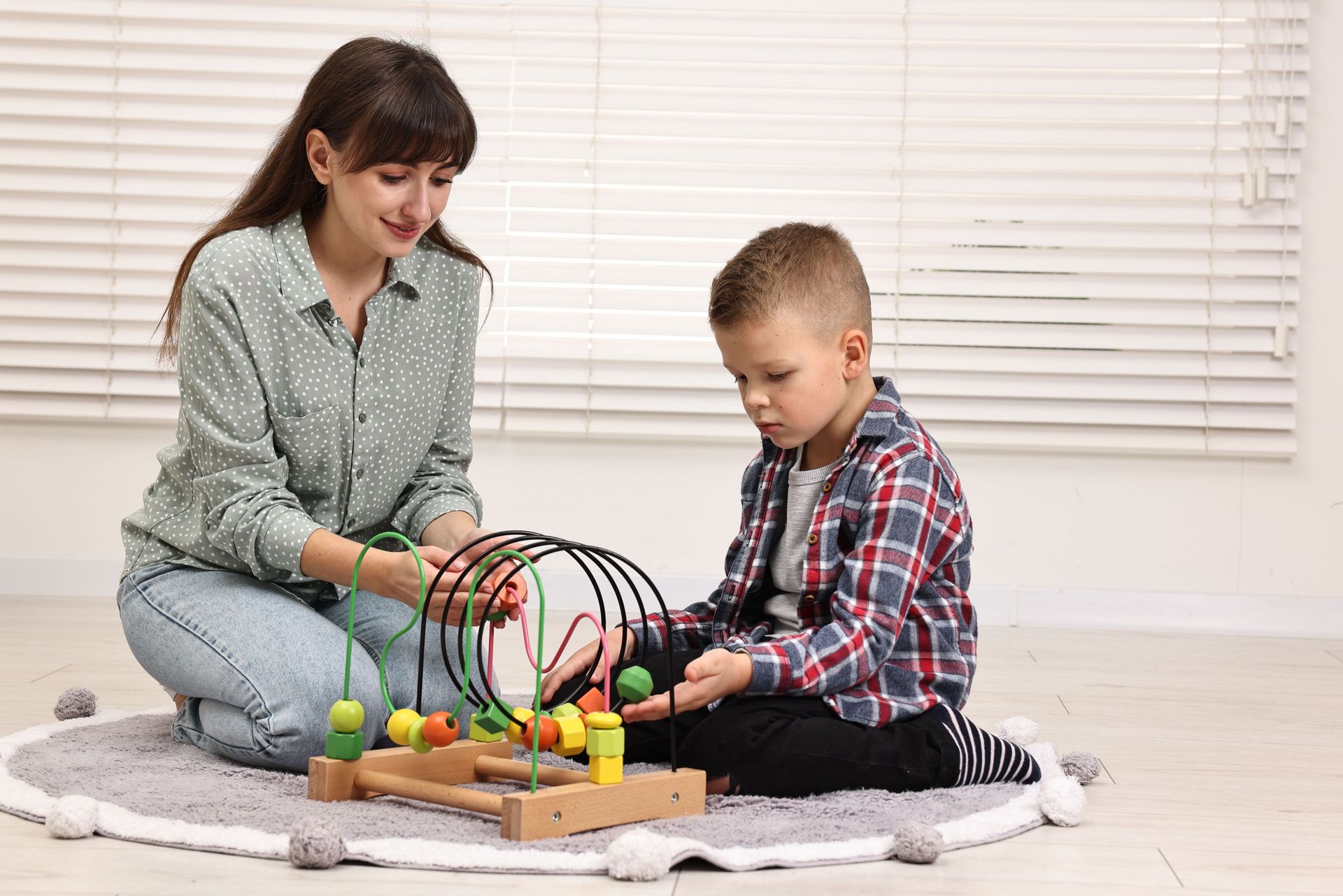
Therapists identify moments during play, mealtime, or community outings where a target skill can be practiced naturally. For example, a child learning to request items might practice during snack time by asking for a preferred food. The therapist provides prompts and reinforcement as needed, but the teaching occurs within the context of a typical activity rather than at a table or in a clinic room.
This approach increases the likelihood that the child will use the skill independently in similar situations without adult prompting. Natural environment training also allows therapists to address multiple goals simultaneously, such as communication, social interaction, and adaptive behavior, within a single activity. Families in Howell, MI benefit from this approach because it makes therapy feel less like work and more like a natural part of the child's day.
Which Skills Are Best Taught in Natural Environments?
Communication, social interaction, play skills, and adaptive behaviors are ideal targets for natural environment training.
Communication skills such as requesting, commenting, and asking questions are most meaningful when practiced in contexts where the child has a genuine need or interest. Social interaction skills like greeting others, sharing, and taking turns are best learned during play with peers or family members. Play skills such as pretend play, following game rules, and using toys appropriately are taught during natural play activities rather than in isolation.
Adaptive behaviors such as dressing, eating, and toileting are practiced during the actual routines where these skills are needed. This ensures that the child learns to perform the skill independently in the environment where it will be used most often. Families who explore ABA therapy options in Howell discover how natural environment training complements structured teaching to create a comprehensive and effective treatment plan.
Can Natural Environment Training Be Implemented at Home?
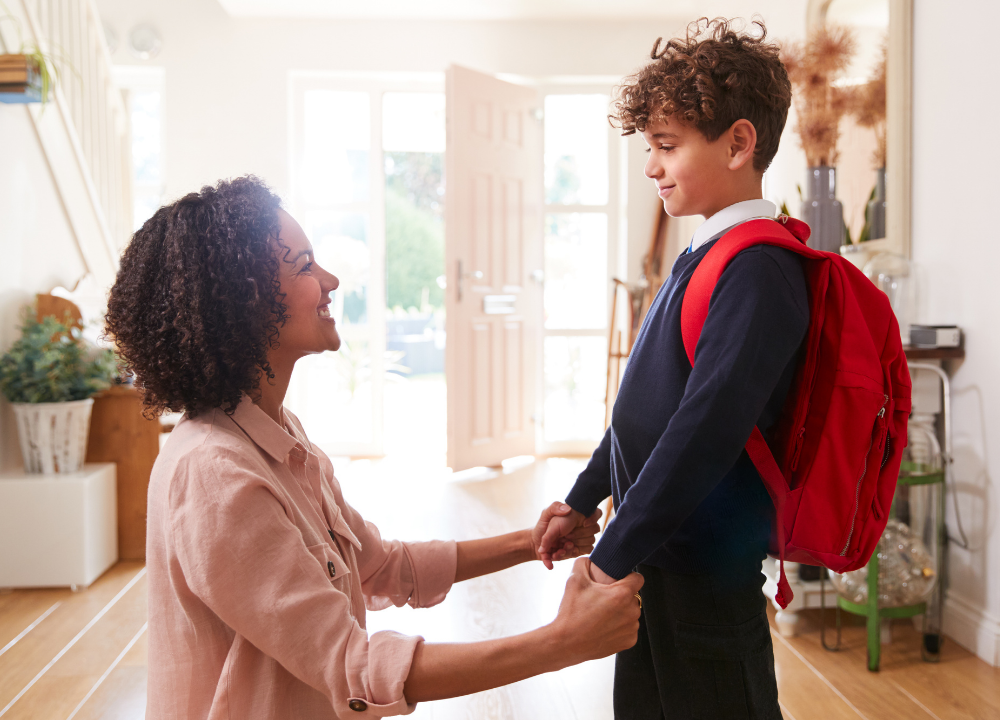
Yes, parents are trained to identify and create teaching opportunities within their child's daily routines.
BCBAs provide guidance on how to embed teaching into activities such as getting dressed, preparing meals, playing with toys, and running errands. Parents learn to use natural reinforcers, such as access to a preferred activity or item, to motivate their child to practice target skills. This approach reduces the need for artificial rewards and helps the child understand the natural consequences of their actions.
Natural environment training at home also allows for more frequent practice opportunities, which accelerates skill acquisition and generalization. Parents receive ongoing support from the therapy team to troubleshoot challenges and adjust strategies as the child's skills develop.
Do Howell's Outdoor Spaces Support Natural Environment Training?
Howell's parks, trails, and community events provide ideal settings for practicing social, communication, and adaptive skills in natural contexts.
Families can use visits to local parks to practice skills such as asking to use playground equipment, taking turns on swings, and following safety rules. Community events such as farmers markets or library programs offer opportunities to practice greeting others, waiting in line, and making purchases. Therapists can accompany families to these settings to provide coaching and support as the child practices new skills.
Howell's family-oriented community culture creates a welcoming environment for children with developmental needs, reducing barriers to participation and increasing opportunities for natural learning. Families who find parent training in Howell learn how to maximize these community resources to support their child's ongoing development and independence.
Natural environment training bridges the gap between structured therapy and real-world application, ensuring that children can use their skills wherever they are needed. Laugh And Learn Therapy incorporates natural environment training into every treatment plan to promote meaningful, lasting progress. Start building your child's independence by connecting with a BCBA who can design a naturalistic teaching plan tailored to your family's routines.