Autism Month May be Over…
June 8, 2026

The Challenge

During Autism Acceptance Month, we see a lot of media about autism. We receive ample opportunities to discuss and share. After it ends though, parents and families may feel just as alone and misunderstood as they did before.


This loneliness can drain you and your family of essential connections and resources. What can you do?


The Solution

Do not isolate. It can be hard and exhausting to keep trying to reach out, but there is help. Support groups or play groups are a great option for socialization for your kiddo. Family members or close friends who understand may be another good social opportunity! Seek out friends that want to learn more about your family's specific needs. Help your child gain confidence. Use positive reinforcement and self talk towards yourself and them.


Provide opportunities for them to engage in activities they are good at and teach them how to show patience and resilience in the areas they struggle with. Attend autism friendly events in your area. While your family's needs may limit some areas, compensate by opening the door to the countless other opportunities it brings.

By Laugh And Learn Therapy • October 4, 2026
Parent training and collaboration in Flint, MI equips caregivers with strategies to support therapy goals at home through regular updates, check-ins, and hands-on education.
September 29, 2026
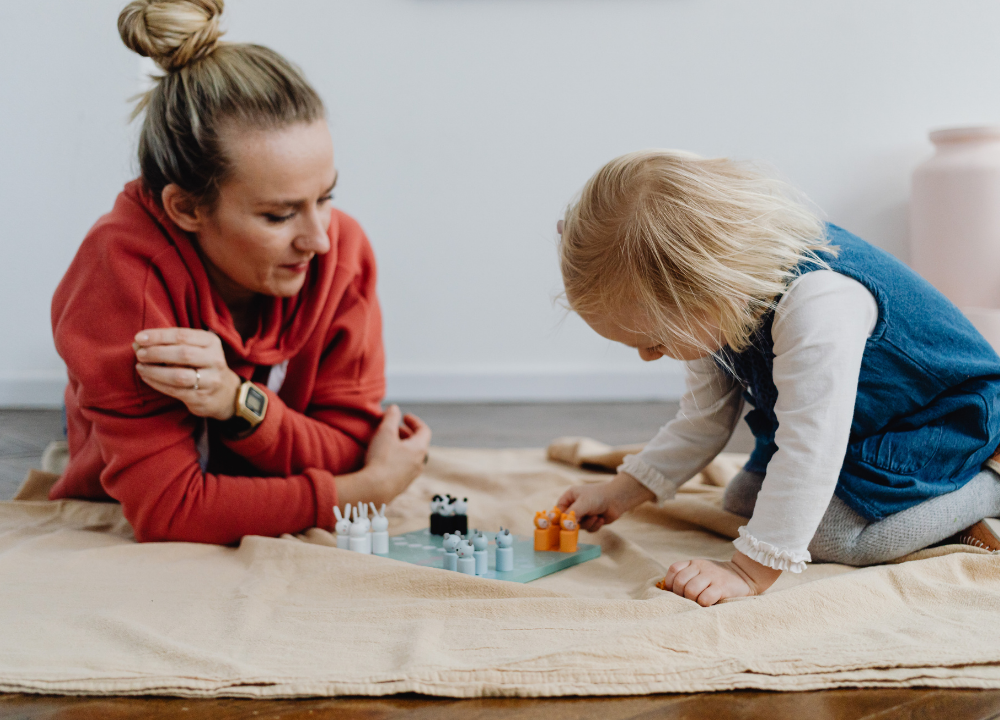
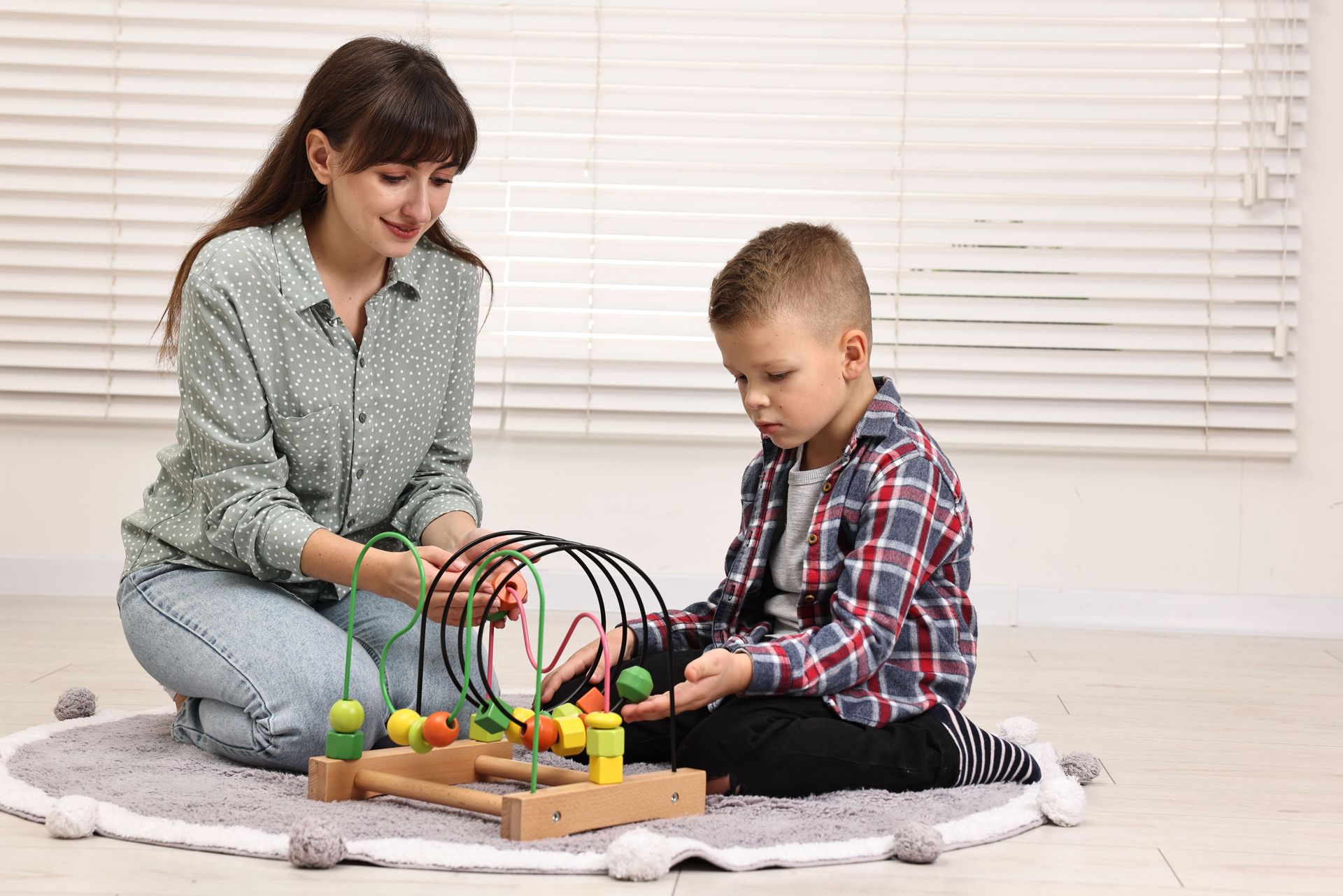
Play based therapy (or Natural Environment Teaching) uses every day, relaxed play to create a therapeutic bond and teach skills.
September 29, 2026
When a child starts ABA for the first time, some parents and clinicians have noted the occurrence of a so-called “honeymoon” phase, where the child is extremely happy to be at the clinic and is picking up new skills with very little resistance
September 9, 2026
Real ABA is tailored to each child and works along with their personality. Therefore, if anything, it should actually foster the confidence and autonomy to allow their personality to flourish!
September 9, 2026
Whether you’re starting ABA therapy and looking to get a better understanding of the principles, or you’re trying to help your child with behavioral challenges at home, the ABCs of ABA is a great acronym to use!
By Laugh And Learn Therapy • September 4, 2026
Social skills training in Waterford, MI helps children understand social interactions, engage with peers, and develop communication skills through evidence-based group programs.
By Laugh And Learn Therapy • September 4, 2026
School readiness programs in Davison, MI prepare children for kindergarten by building foundational skills needed for academic success and classroom participation through ABA therapy.
By Laugh And Learn Therapy • September 4, 2026
Natural environment training in Howell, MI helps children generalize skills learned in structured sessions to everyday situations and real-world contexts through ABA therapy.
August 4, 2026
Should your child do ABA therapy at home or at a clinic in Flint? Learn how treatment planning — not guesswork — guides this decision for your family.
July 28, 2026
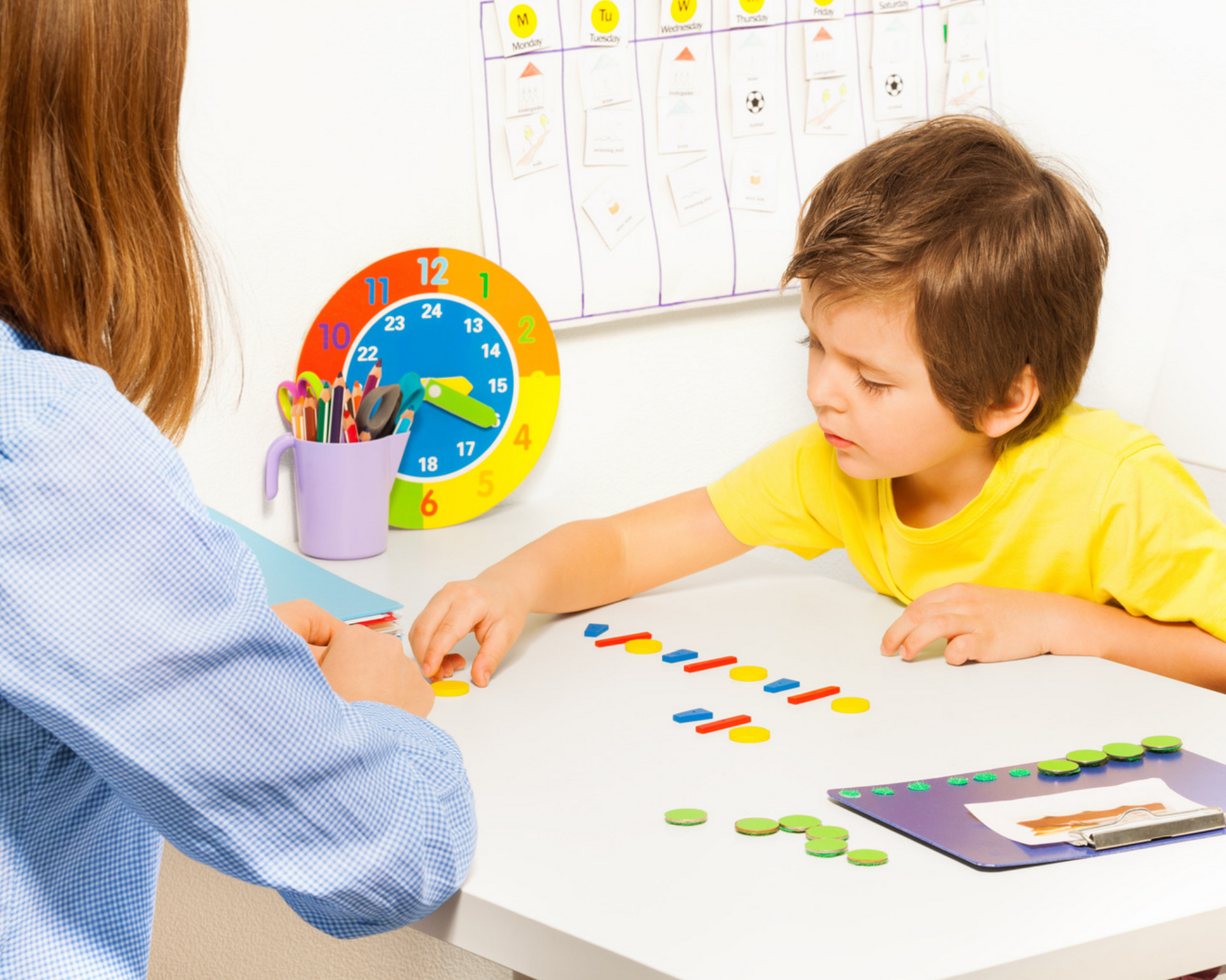
What is it? NET is one of the main ways that children practice and learn social, emotional and behavioral skills in ABA Therapy. As the name suggests, this style of teaching leans into the natural environment, utilizing play sessions to teach a child how to safely interact, communicate, and regulate. How does this work? How it Works During an NET session, the client comes into contact with many different toys, people, choices and interactions. All of these can be utilized in a fun and engaging way to naturally expand and test a child’s abilities. NET also allows the client opportunity to choose what to play with, building confidence and rapport with those around them. This allows the skills taught during ABA to become more relevant to the child’s life and easier to generalize into their daily routine. NET can also encourage a child to WANT to learn more, being that what they are learning highly relates to activities and people that they prefer to engage with. When it Shines NET is often paired with structured learning as well. This is sometimes referred to as “DTT” or “Table Time.” During these sessions, a child learns how to perform tasks such as labeling items/people, answering questions, following simple directions or imitating gross motor movements in a structured environment. These skills are then naturally brought up during NET. For example, let’s say a child learns the word “apple” during Table Time. Then, in a play session using the play kitchen, the child interacts with a toy apple. The therapist may make use of this, bringing the apple into play. By utilizing these two forms together, the child gets a vary well rounded session.