Why Play Works
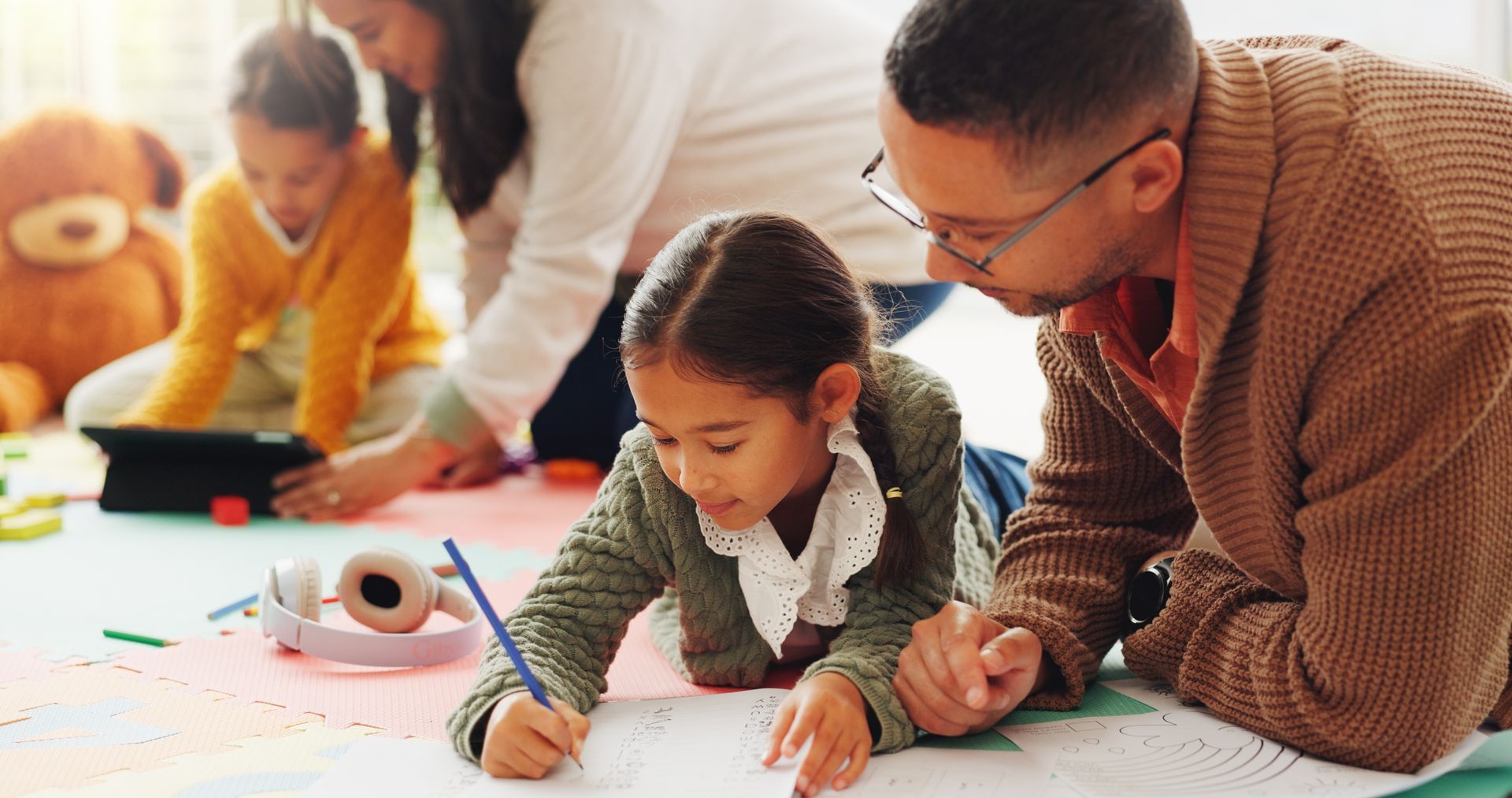
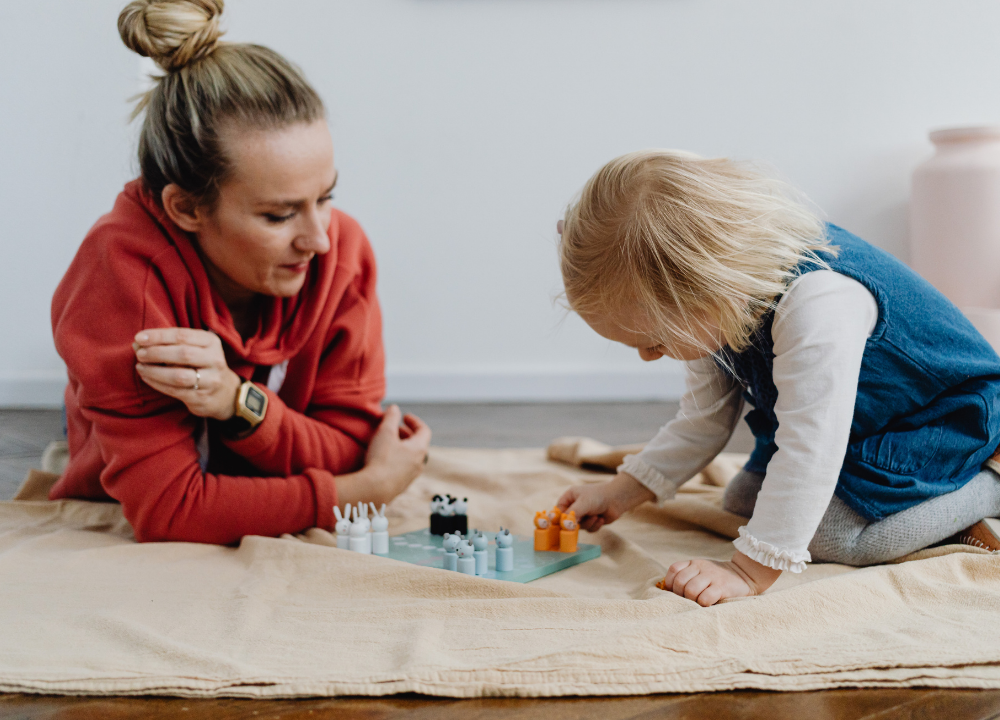
Play based therapy (or Natural Environment Teaching) uses every day, relaxed play to create a therapeutic bond and teach skills. Since children are naturally inclined to learn through play, this makes it extremely effective on two fronts.
- Play is a fun and a naturally reinforcing way to learn
- Play invites organic situations in which a child must learn to apply their learned skills on the spot
The Fun in Play
In ABA, play is often times used to make sessions FUN. We know that the kids are working hard to learn new skills and develop their brains, so breaking up those learning moments with low-demand play time is essential for the client to both process and enjoy their sessions. ABA Therapy should be assent based, meaning the child should WANT to participate. Pairing is one way that we can encourage that assent. Therapists often use play to pair with their client, meaning they make their interactions as rewarding as possible so that the client learns to associate the therapist with fun, and is therfore more willing to stick through learning those more difficult skills, too.
The Training in Play
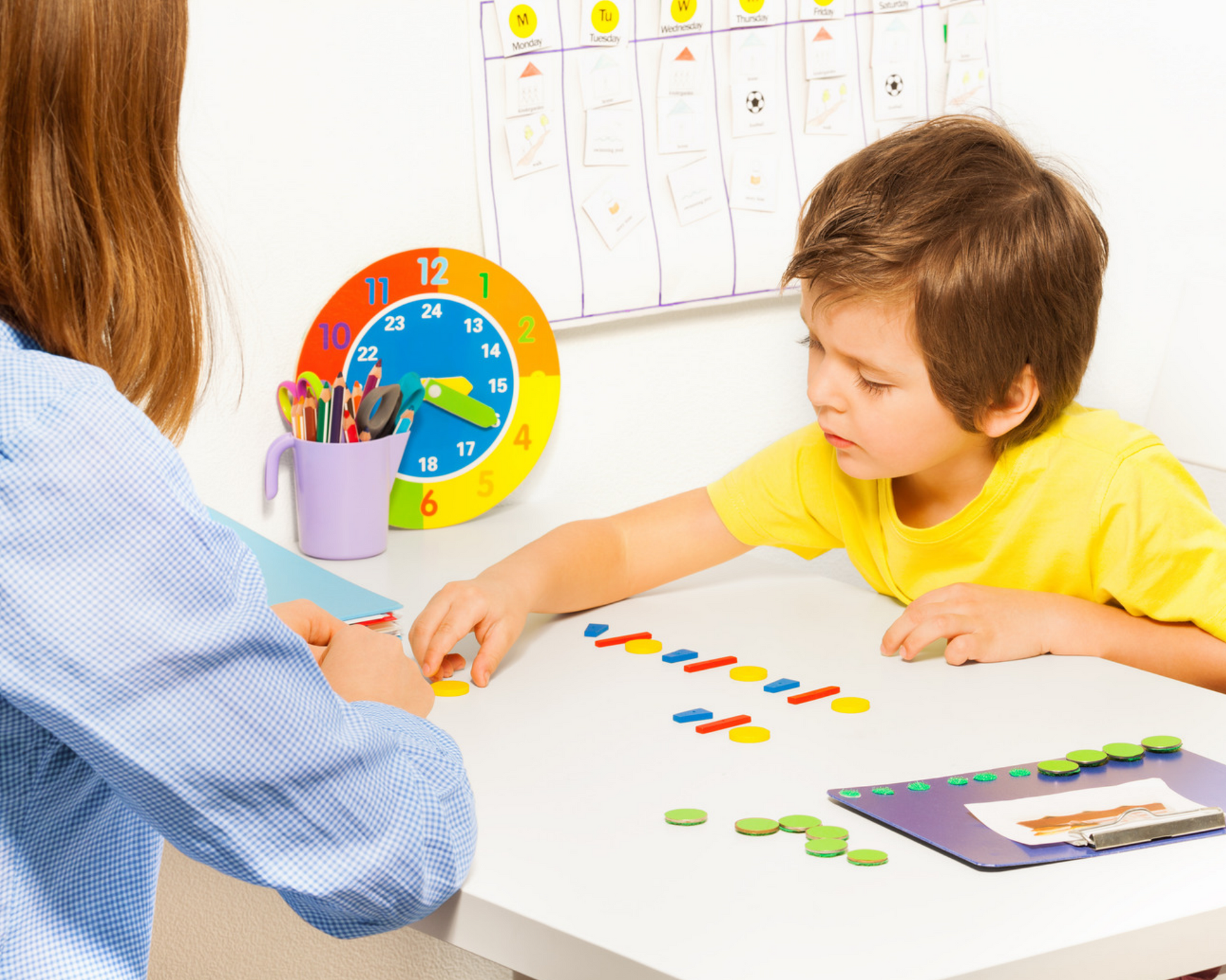
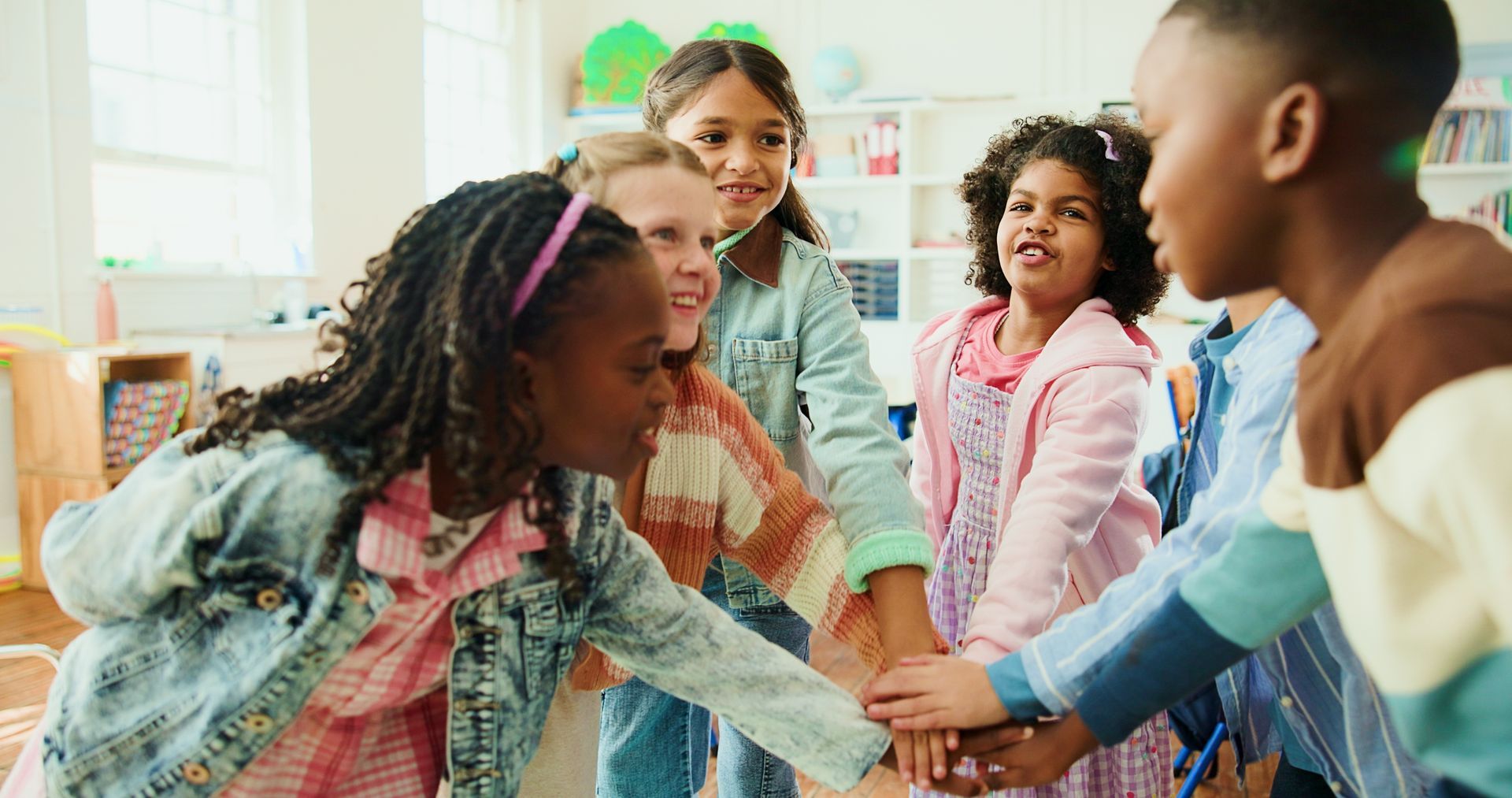
Some of the skills that we work on in ABA are communication and social skills. However, table time teaching can only do so much. In the same way that in math class, students learn both math drills and story problems, in ABA, table time skills must be reinforced in the natural environment to truly be of benefit. For example, let’s say we’re working on labeling items during table time. During play time, then, we may model labeling some of the items that we are playing with and encourage the client to do the same. Or perhaps we are working on sharing with the client. During play time, we may encourage two clients to play together and take turns with an activity.
Play is an essential part of a child’s development, and if used correctly, it can be the catalyst for all sorts of fun, growth and connection!