What is Interoception?
Body: When your stomach rumbles and suddenly every food sounds delicious, you know you’re hungry. When you find yourself doing the potty dance, you know you need to pee. These little signs telling us what our body needs are called “interoception.” But what if those little signs we rely on were inconsisteny, or in some cases, completely absent? It would be a lot more difficult to care for yourself and even stabilize your mood. For a lot of individuals with autism, this is their every day struggle.
Learning Body Cues
Body: Now let’s expand on that scenario. Say that on top of your body cues being muddled, you have limited access to communication. This is something that many autistic children and their parents face day in and day out. What can help?
Schedule
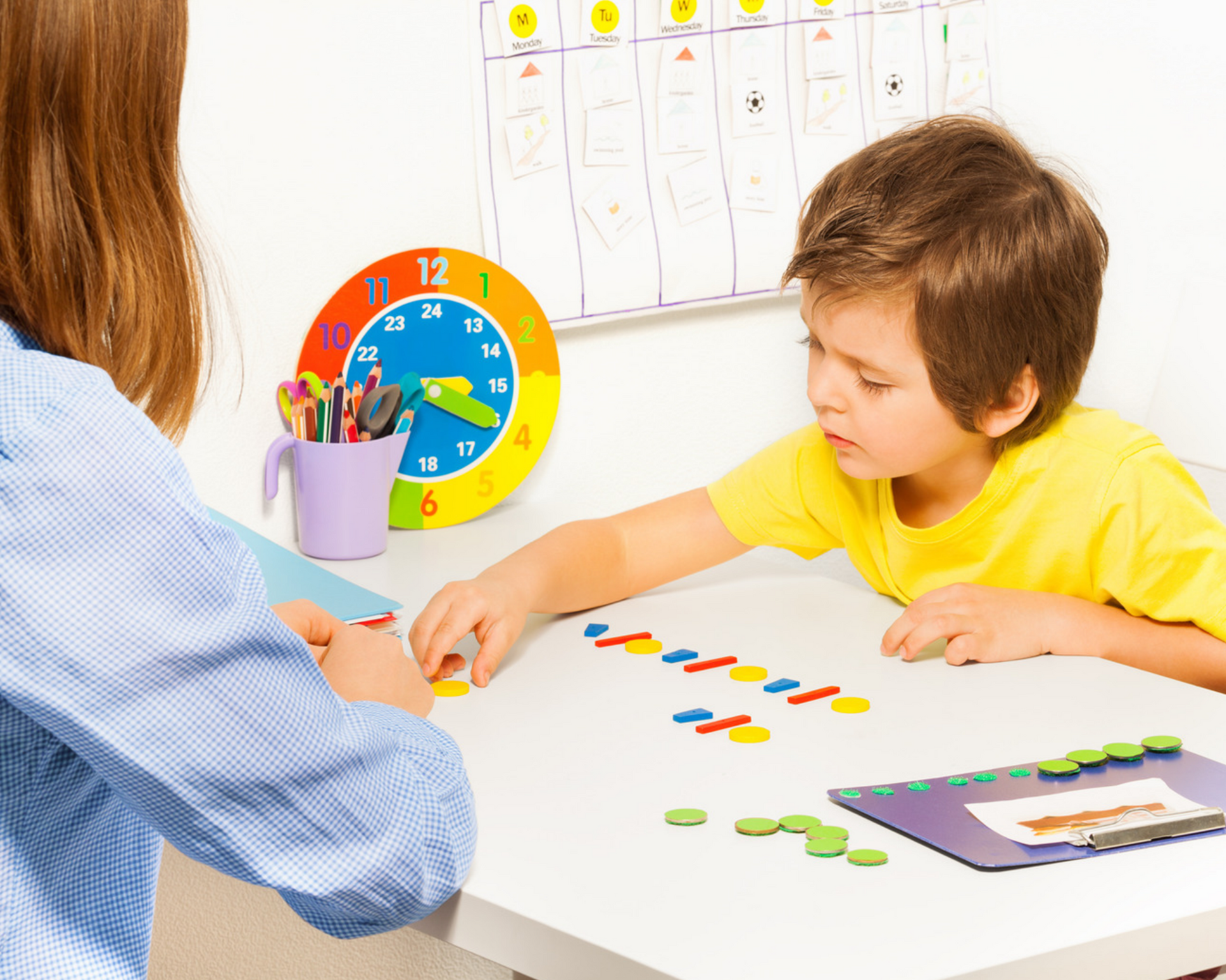
When you cannot rely on a body cue to tell you when you need to eat, sleep or use the bathroom, a schedule might be in order. This can help train the body to know when it needs what, and in some cases it may even help develop those natural cues.
Educate
For some children, they may feel their body cues, but struggle to identify them. Using visuals and simple language to explain what sensations mean what can give your child autonomy and independence. Social stories can help to explain the scenarios around needs such as eating or using the bathroom in a context that may translate better to your child.
Model
This may be one of the hardest parts, but the best lesson is often the parent’s example. When you start to feel hungry, say out loud what you feel and what you’re going to do. When its bed time, narrate why you’re going to bed and how you know it’s time to sleep. you can even do the same thing with your household pet to make it more fun!
Simplify
Often times half the battle is communicating WHAT we need. Once you find out what cues your child is most apt to miss or ignore, practice simple ways that a need can be requested for, and reinforce it avidly!