Discrete Trial Training for Children in Brighton, MI
Discrete trial training in Brighton, MI is a structured ABA intervention method that breaks down complex skills into small, teachable components with clear instructions and immediate positive reinforcement. This approach allows children to master foundational skills one step at a time, building confidence and competence through repeated practice and success.
How Does Discrete Trial Training Work in Practice?
Each trial consists of a clear instruction, a child's response, and immediate feedback or reinforcement based on that response.
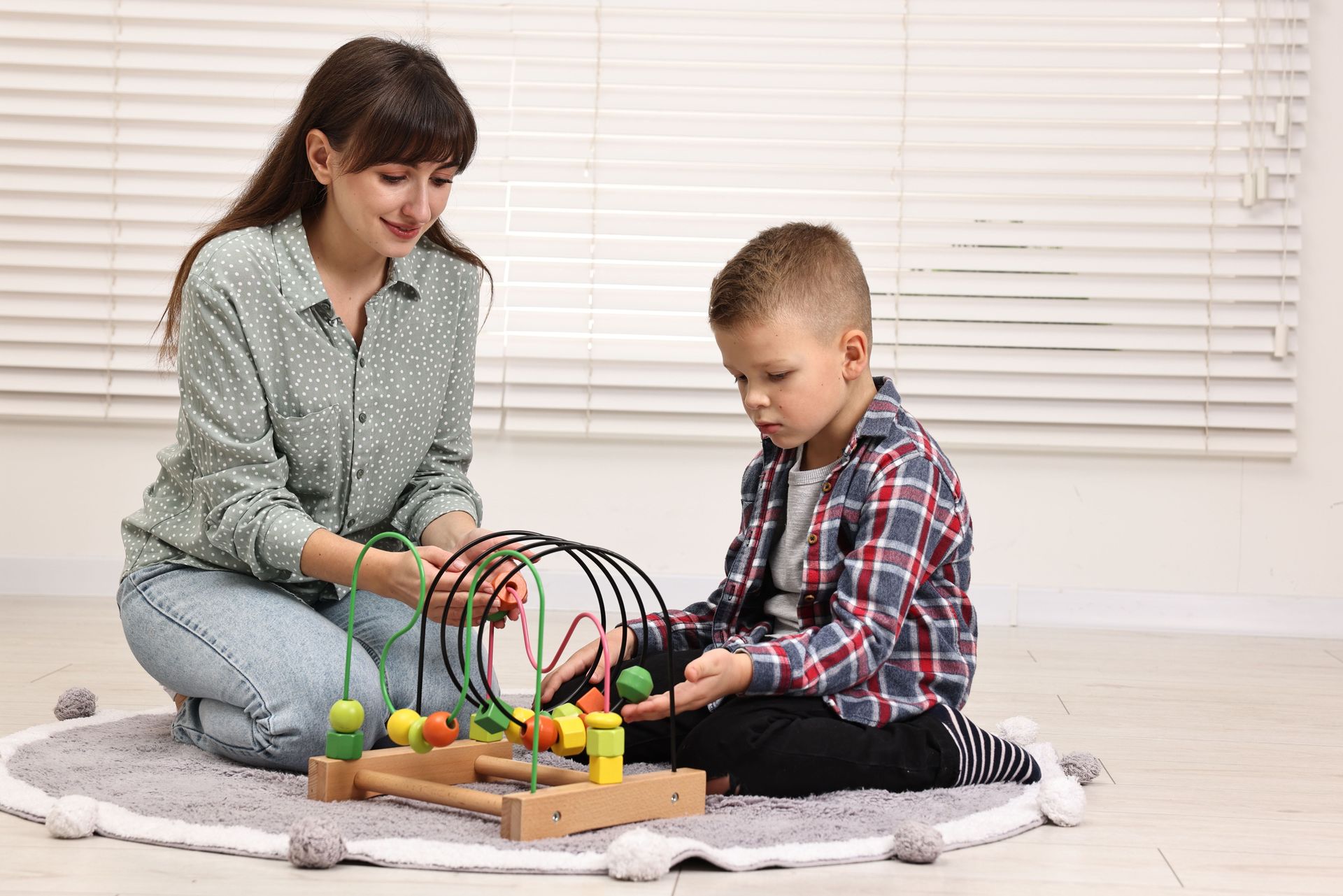
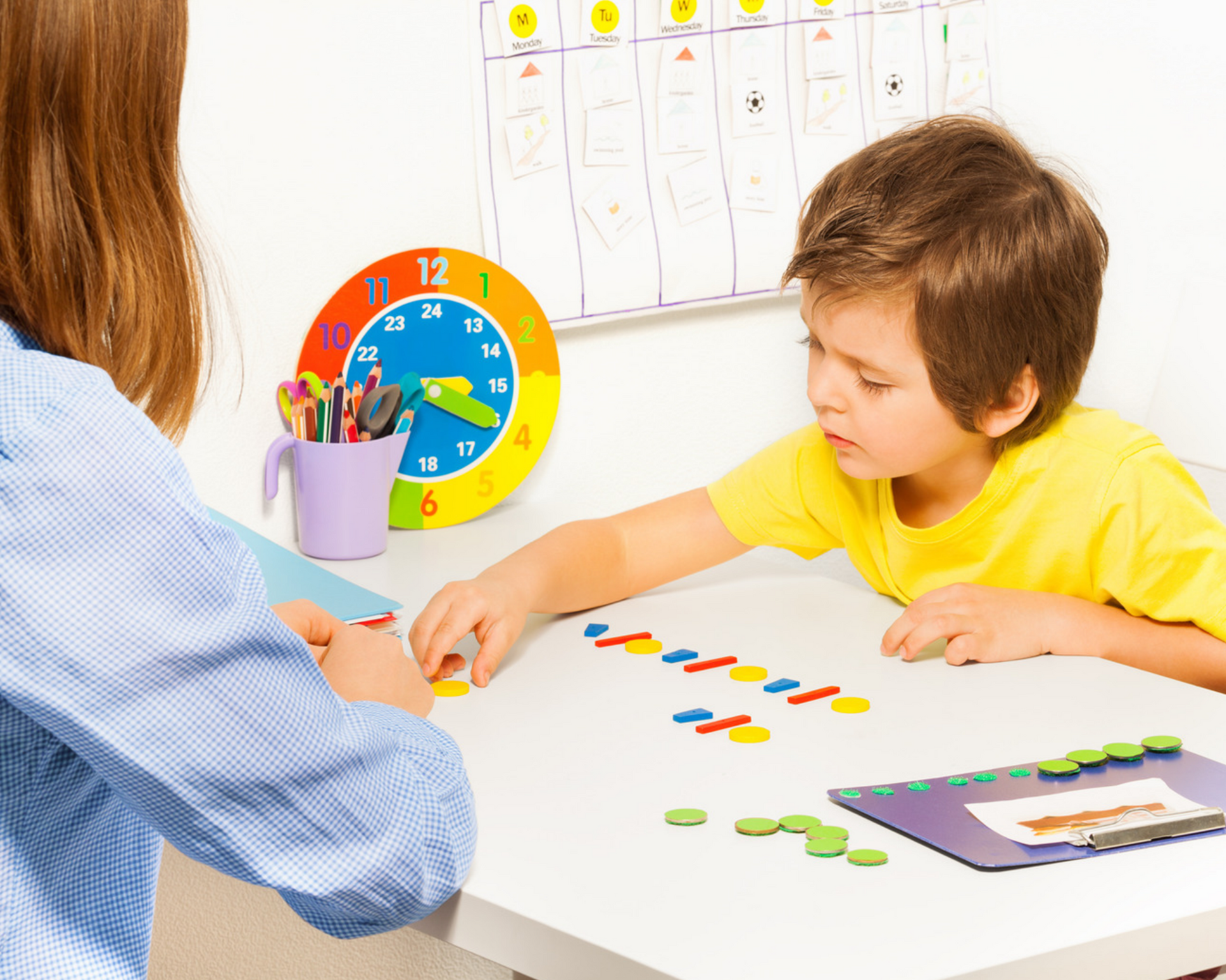
The therapist presents a specific instruction, such as "Touch the red block," and waits for the child to respond. If the child responds correctly, they receive immediate praise or a preferred item. If the response is incorrect or absent, the therapist provides a prompt or correction and repeats the trial. This cycle continues until the child demonstrates mastery of the skill across multiple sessions and settings.
Data is collected on every trial to track progress and inform adjustments to the teaching plan. Discrete trial training is particularly effective for teaching skills such as matching, labeling, following instructions, and early academic concepts. The structured format reduces distractions and allows the child to focus on one skill at a time.
Which Skills Can Be Taught Using Discrete Trial Training?
Discrete trial training is used to teach communication, academic readiness, self-help skills, and social behaviors.
Children learn to identify colors, shapes, letters, and numbers through repeated practice with clear feedback. Communication skills such as requesting, labeling objects, and answering questions are also common targets. Self-help skills like hand washing, tooth brushing, and dressing can be broken down into discrete steps and taught systematically.
Social behaviors such as making eye contact, greeting others, and taking turns are introduced in a controlled setting before being generalized to natural environments. Families in Brighton, MI can find social skills training in Brighton that incorporates discrete trial methods alongside naturalistic teaching to promote skill generalization. The structured nature of discrete trial training makes it an ideal starting point for children who benefit from clear expectations and consistent routines.
Can Discrete Trial Training Be Used at Home?
Yes, parents can implement discrete trial training at home with guidance from a Board Certified Behavior Analyst.
BCBAs provide training to caregivers on how to present instructions, deliver reinforcement, and collect data on their child's progress. Home-based discrete trial training allows for more frequent practice opportunities and helps children generalize skills learned in therapy to everyday routines. Parents learn to identify natural teaching moments and embed discrete trials into activities such as mealtime, playtime, and bedtime routines.
Consistency between clinic and home settings accelerates skill acquisition and reduces the time needed to achieve mastery. Families in Brighton, MI benefit from ongoing collaboration with their child's therapy team to ensure that teaching methods remain aligned and effective across all environments.
Do Brighton Families Face Unique Challenges with Structured Learning?
Brighton's mix of rural and suburban neighborhoods means some families have longer commutes to therapy centers, making home-based discrete trial training a practical option.
Families who live outside the city center may find it easier to implement structured teaching at home rather than traveling multiple times per week for clinic sessions. Home-based discrete trial training also allows siblings and other caregivers to participate in the learning process, creating a more inclusive and supportive environment for the child. BCBAs can conduct periodic home visits to observe sessions, provide feedback, and adjust teaching protocols as needed.
This flexibility ensures that children in Brighton, MI receive consistent, high-quality instruction regardless of their family's location or schedule. Parents who explore parent training options in Brighton gain the skills and confidence needed to support their child's learning between formal therapy sessions.
Discrete trial training provides a clear, structured pathway for skill development that benefits children who thrive on routine and predictability. Laugh And Learn Therapy offers discrete trial training as part of a comprehensive ABA program designed to meet each child's unique needs. Plan your child's next steps by connecting with a BCBA who can design a personalized teaching plan.