What is Autistic Burnout?
Burnout is caused by demands exceeding capabilities for too extended of a period of time. Examples can be: masking, overworking, over-giving and not utilizing accommodations. Burnout can look like: Skill regression, emotional dysregulation, increased sensory reactivity, chronic exhaustion and increased rigidity.
What You Can Do
Burnout can feel like it hits suddenly, and can make your child feel like they are out for the count. It is essential that you allow them time without too many demands for recovery.
You can't run on a broken leg, nor a fried nervous system. Recovery can look different for everyone, but encourage them to spend time resting, relaxing and healing their mind and body. Meltdowns may occur more frequently, which means you may need to be more "on call" to offer support and empathy. Helping a child through autism burnout can be challenging, so don't hesitate to call on friends/family to support your OWN mental health.
However, recovering from burnout should not be a loss of all schedule or functionality.
Keeping up a low stress routine can heal an autistic nervous system. Spending time with their special interest or eating foods they like can help them regain their sense of self.
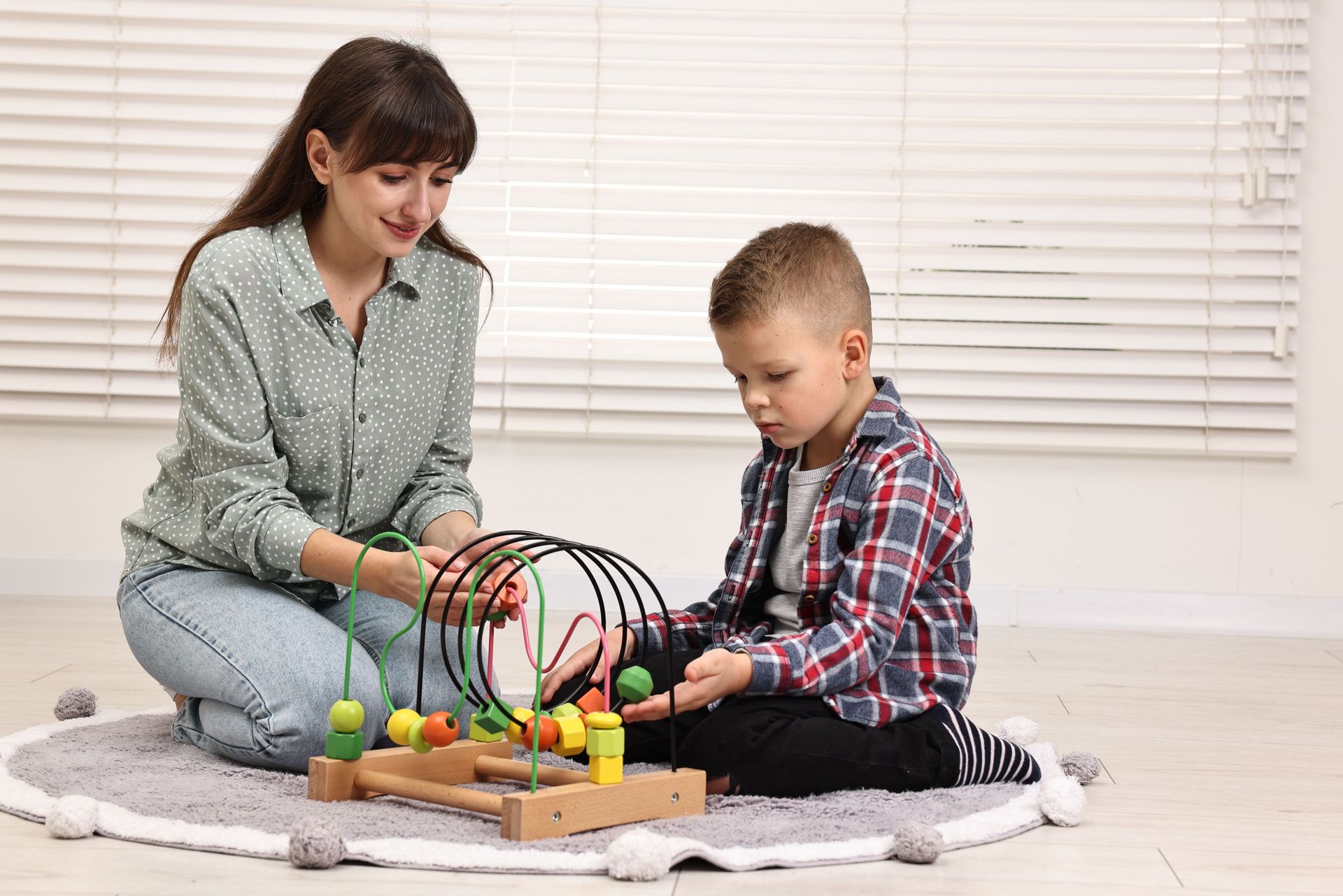
Spend time with your child in the things that they like to do. If your child is experiencing burnout, chances are they are stuck in a cycle of over-pushing and crashing. Fixing this cycle to help them meet the demands of life while also acknowledging their autistic needs can help to avoid burnout.
- Accept help from autism supports/sensory tools, and make these tools more available
- Teach your child how to advocate for their needs
- Allow more rest time between outings/demands
- Practice with your child how to listen to body signals telling us to rest and how to heed them
- Re-prioritize. Sort through the biggest energy expenditures and see which ones can be cut back