What is Reinforcement?
Reinforcement is any activity, item or response that increases the likelihood for a certain behavior occurring again. This could be a tangible item, specific praise, more time with an activity, or something else. Whatever the reinforcer, it is the motivating factors that strengthen learning and skill development.
What Makes a Good Reinforcer?
The reinforcement must be tailored to the specific child. For example, extra time playing on a playset won't be a worthwhile reward for a kiddo that likes to read. Reinforcers are best implemented immediately after the target behavior because the client must understand the connection between the behavior and the reinforcer. However, over time, reinforcers usually need to be faded out to build tolerance and long term mastery of skills. Reinforcers may need to be changed over time as a child grows and develops their interests. They may also need to be accompanied with visuals to increase the child's understanding of the system.
Token Economy
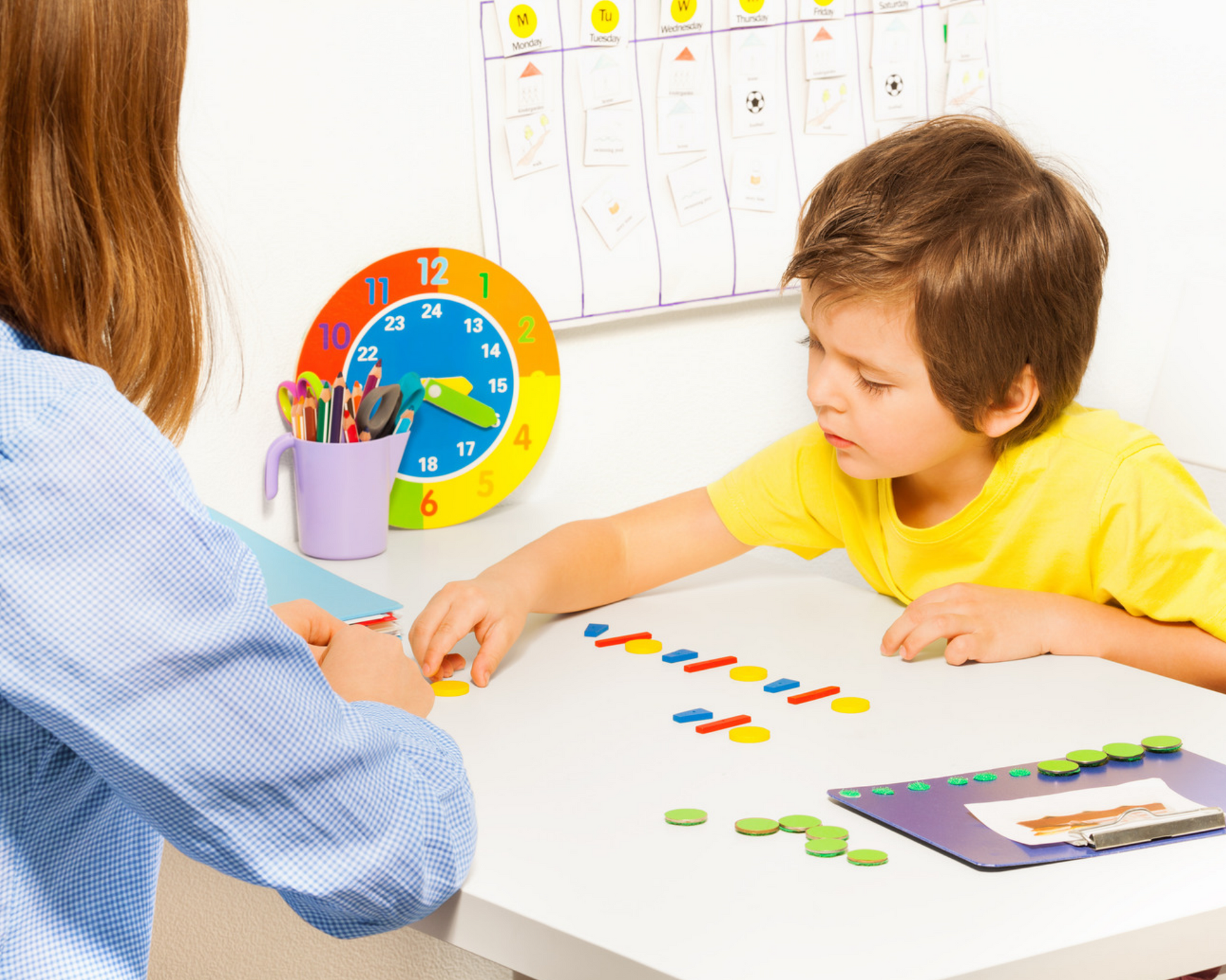
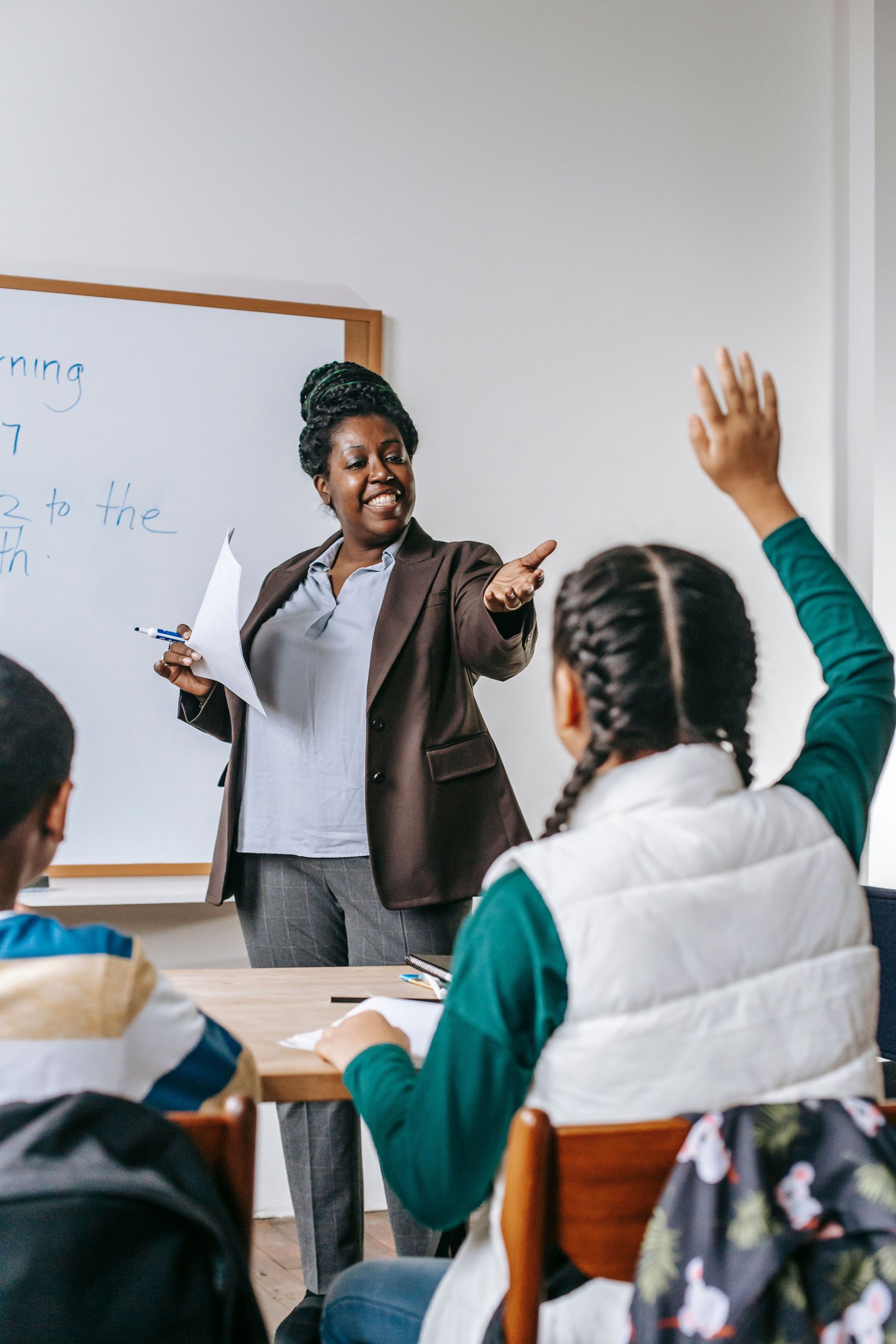
Token economy is one form of reinforcement where the client earns some kind of visual mark for the replacement behavior, which then adds up to receiving the stronger reinforcement item/activity. You may remember in elementary school having some kind of behavior chart or sticker method used in the classroom. This same principle is applied one-on-one to increase the client’s motivation to gain skills.
Real Life Example
One way that reinforcement can be used in the home is in regards to reinforcing functional communication. One of the most common difficulties with children with autism is that they may resort to maladaptive/dangerous behaviors if they do not know how to use functional communication or believe that they are not getting what they need when they do use it. Reinforcement can be used to develop this ability. For example, let's say your child really likes to watch a certain TV show, but if they are unable to safely communicate their wants, they may begin to scream or hit their head. You may want to teach the child to say “TV” to request to watch the TV show. Whenever the child uses that functional communication of “TV,” you would want to honor it, whenever feasible, even if just for a few minutes. For a while, the focus will be on honoring that functional communication with the reinforcement of watching that TV show in whatever capacity is possible. Over time, of course, always being immediately reinforced with the TV show is not realistic, so the ABA team and family would then work on tolerance—gradually increasing tolerance for delayed or smaller reinforcers while still maintaining that communication skill. This would be done in accordance with the child's ability to understand how they can sustainably use functional communication to request their wants and needs.