The Challenge
Many individuals with autism experience the world as unpredictable and overwhelming.
Routines create a sense of order and help them know what to expect
- Predictability reduces uncertainty, which can lower anxiety and stress
- Knowing what comes next helps individuals feel more in control of their environment
- Unexpected changes can be distressing when there isn't a clear routine to rely on Example:
- A consistent morning routine (wake up → get dressed → eat breakfast → leave for school) helps the individual transition smoothly into their day.
Why it Helps
- Routines help clarify what is expected in different settings and situations.
- Individuals learn what behaviors are appropriate in specific contexts
- Repeated routines strengthen understanding without needing constant verbal instruction
- Helps build independence over time
- Skills practiced consistently are more likely to be retained
- Familiar routines can be used to introduce new skills gradually
- Helps bridge learning between home, school, and community settings
How Family and Friends can Support
- Keep daily activities as consistent as possible
- Give advance notice before changes (in 5 minutes, we're leaving)
- Use visual supports (schedules, timers, checklists)
- Prepare for changes ahead of time when possible
- Stay calm and supportive when routines are disrupted
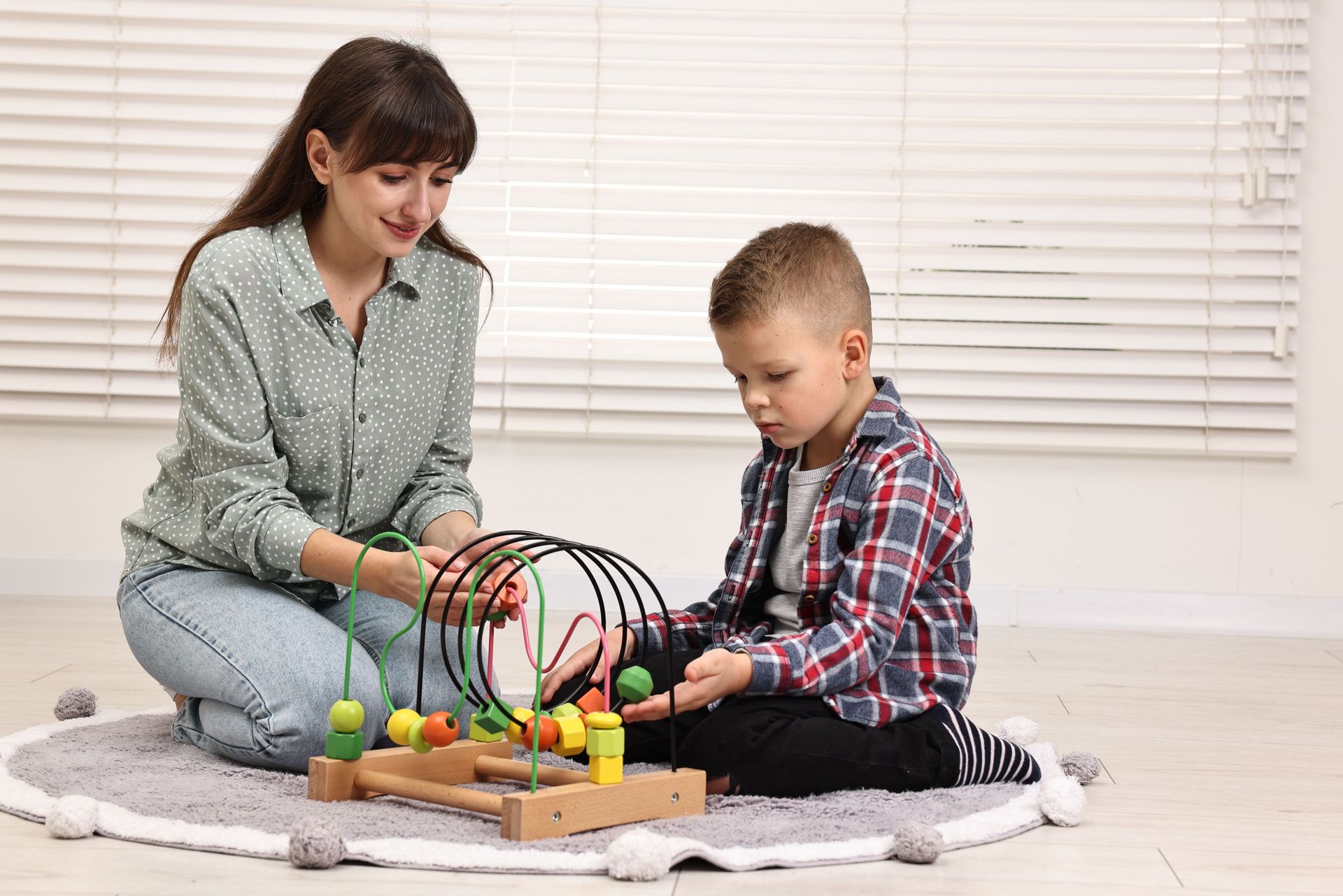
Parent training and collaboration in Flint, MI equips caregivers with strategies to support therapy goals at home through regular updates, check-ins, and hands-on education.

Play based therapy (or Natural Environment Teaching) uses every day, relaxed play to create a therapeutic bond and teach skills.
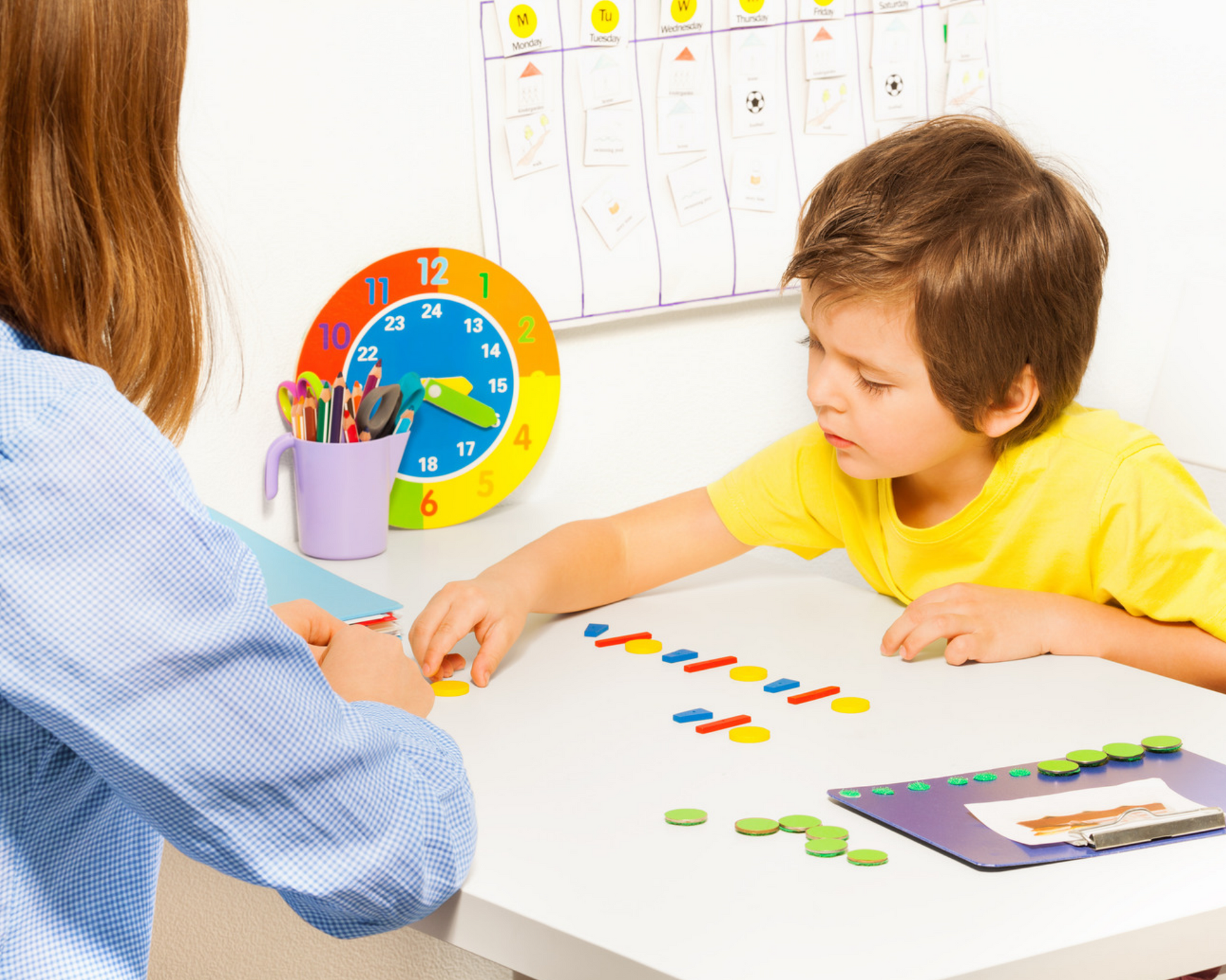
When a child starts ABA for the first time, some parents and clinicians have noted the occurrence of a so-called “honeymoon” phase, where the child is extremely happy to be at the clinic and is picking up new skills with very little resistance

Real ABA is tailored to each child and works along with their personality. Therefore, if anything, it should actually foster the confidence and autonomy to allow their personality to flourish!

Whether you’re starting ABA therapy and looking to get a better understanding of the principles, or you’re trying to help your child with behavioral challenges at home, the ABCs of ABA is a great acronym to use!

Social skills training in Waterford, MI helps children understand social interactions, engage with peers, and develop communication skills through evidence-based group programs.
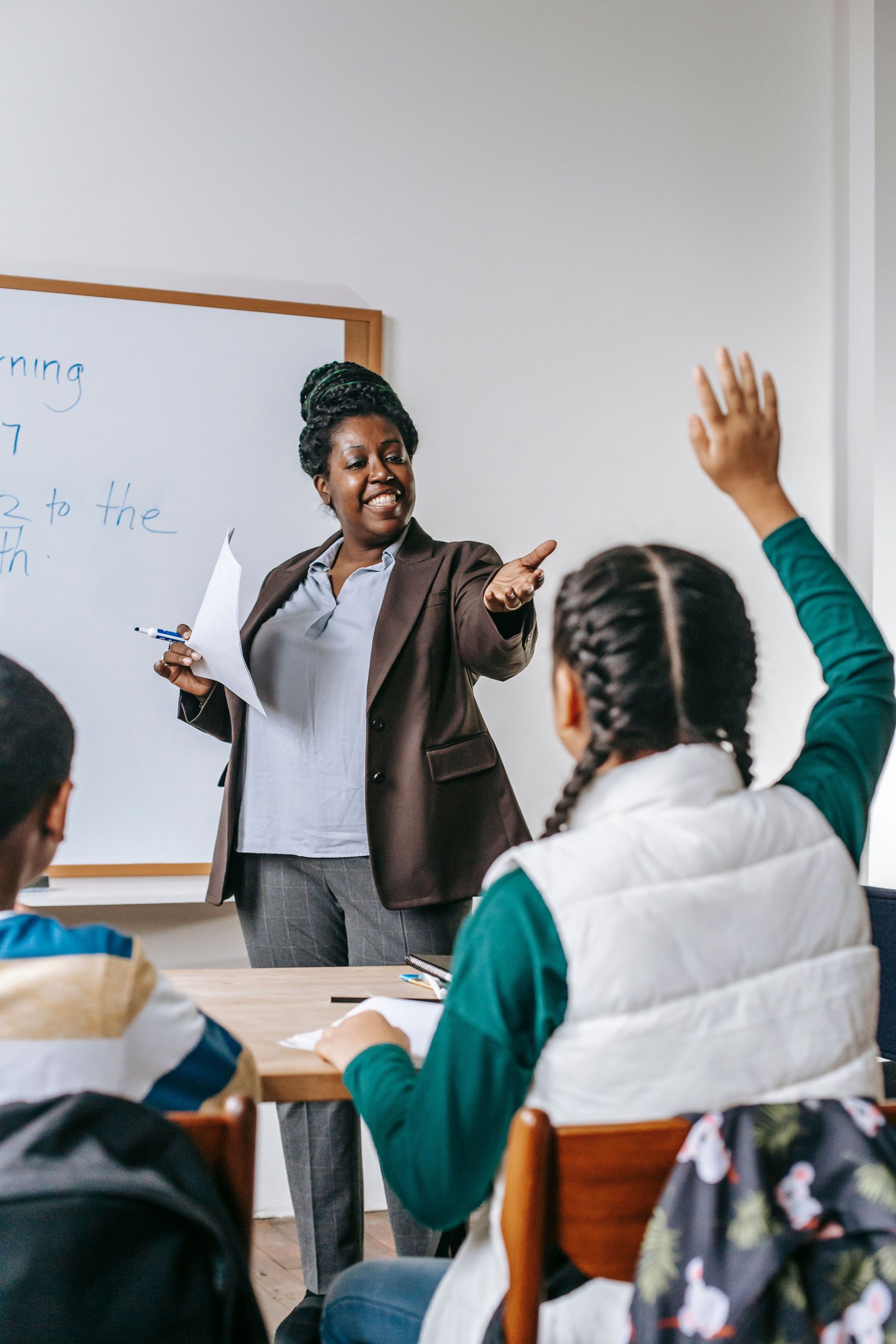
School readiness programs in Davison, MI prepare children for kindergarten by building foundational skills needed for academic success and classroom participation through ABA therapy.

Natural environment training in Howell, MI helps children generalize skills learned in structured sessions to everyday situations and real-world contexts through ABA therapy.

Should your child do ABA therapy at home or at a clinic in Flint? Learn how treatment planning — not guesswork — guides this decision for your family.
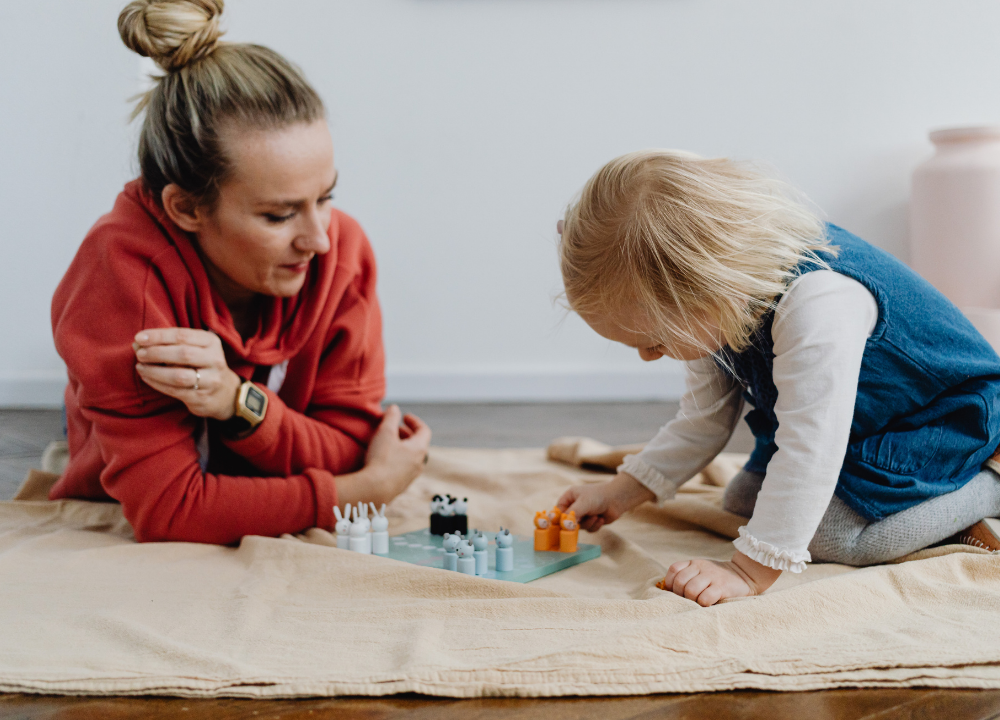
What is it? NET is one of the main ways that children practice and learn social, emotional and behavioral skills in ABA Therapy. As the name suggests, this style of teaching leans into the natural environment, utilizing play sessions to teach a child how to safely interact, communicate, and regulate. How does this work? How it Works During an NET session, the client comes into contact with many different toys, people, choices and interactions. All of these can be utilized in a fun and engaging way to naturally expand and test a child’s abilities. NET also allows the client opportunity to choose what to play with, building confidence and rapport with those around them. This allows the skills taught during ABA to become more relevant to the child’s life and easier to generalize into their daily routine. NET can also encourage a child to WANT to learn more, being that what they are learning highly relates to activities and people that they prefer to engage with. When it Shines NET is often paired with structured learning as well. This is sometimes referred to as “DTT” or “Table Time.” During these sessions, a child learns how to perform tasks such as labeling items/people, answering questions, following simple directions or imitating gross motor movements in a structured environment. These skills are then naturally brought up during NET. For example, let’s say a child learns the word “apple” during Table Time. Then, in a play session using the play kitchen, the child interacts with a toy apple. The therapist may make use of this, bringing the apple into play. By utilizing these two forms together, the child gets a vary well rounded session.